















The government of Newfoundland and Labrador announced on 3rd March, 2026 that it had finalized an agreement with Equinor ASA to move forward with the delayed Bay du Nord development in the Flemish Pass Basin offshore Canada. The accord is intended to revive momentum behind Bay du Nord, a cluster of oil discoveries situated roughly 500 kilometres northeast of St. John’s, Newfoundland and Labrador.
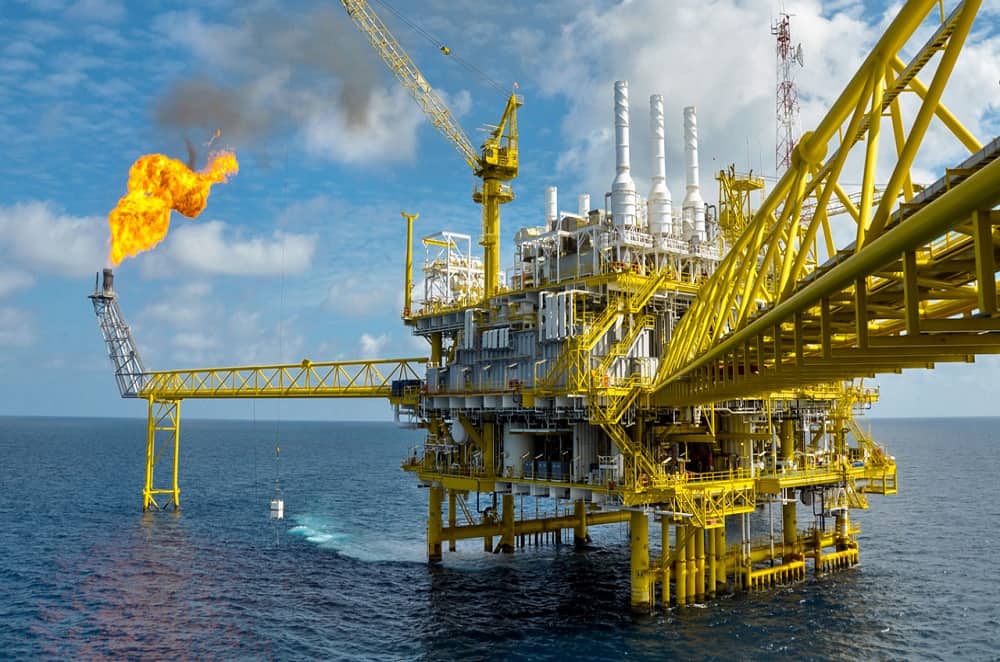
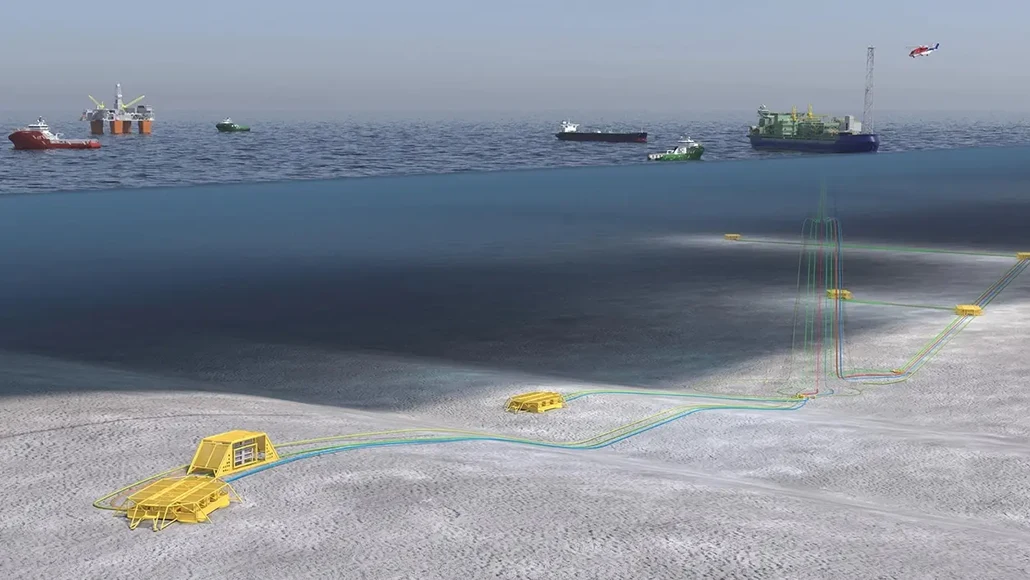
Discovered in 2013, Bay du Nord is estimated to contain nearly 430 million barrels of recoverable resources. The project lies about 500 kilometres offshore in waters approximately 1,200 metres deep, marking what officials describe as a generational opening for Canada offshore through the establishment of a new deepwater basin that could influence the province’s energy industry for decades.
Equinor ASA had already taken steps to advance the scheme. On September 1, 2025, BW Offshore Group announced that it had signed a preliminary deal with Equinor to supply the project’s floating production, storage and offloading unit. That component remains central to the development concept for Bay du Nord. According to details released by the province’s Mines and Energy Department, the project sanction is targeted for 2027, with first oil expected in 2031. This timeline replaces earlier expectations set out under the 2018 framework agreement, which had aimed for initial production in 2025.
In outlining the significance of the new agreement, the department stated that with the agreement, the provincial government has secured a path forward that delivers long-term value, strengthens local employment and ensures benefits remain in Newfoundland and Labrador throughout the entire life of the project. It added that the project places Newfoundland and Labrador back on the map for global oil and gas investment. Officials also underscored that Bay du Nord represents the province’s first standalone offshore hydrocarbon development since Hebron and its inaugural deepwater undertaking.
