









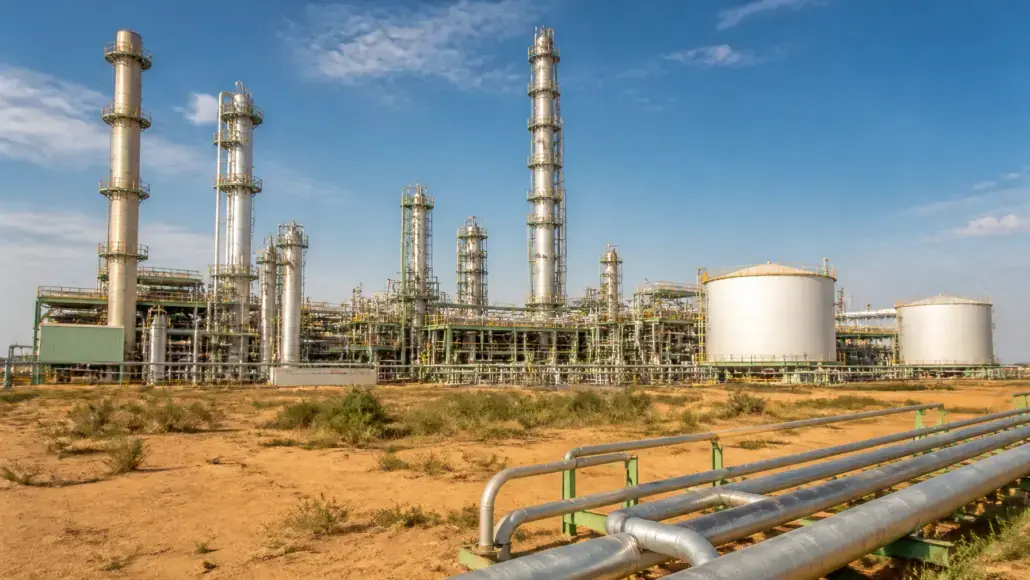
The government of Niger has officially signed a significant agreement to construct a new oil refinery and petrochemical complex in the city of Dosso. This $1.9 billion project is a cornerstone of the nation’s strategy to expand its domestic energy infrastructure and solidify its position as a growing petroleum hub in West Africa.
Infrastructure Development and Project Structure
The USD 1.9B Dosso oil refinery agreement was officially signed in Niger’s capital, Niamey, with Nigeria’s Foreign Minister Bakary Sangaré representing the government, alongside Zimar Group and High Tech CEO Benjamin Day Marok.
The project, which involves a collaboration with the Canadian firm Zimar Group, is structured as a 16-year build-operate-transfer (BOT) agreement. Under this arrangement, the development will include three years dedicated to construction, followed by 13 years of operation by the firm. Once this period concludes, ownership of the facility will transfer to the government of Niger.
Capacity and Regional Impact
The planned oil refinery in Dosso is designed with a production capacity of 100,000 barrels per day. This facility is expected to increase the country’s national refining capacity fivefold. Beyond the refinery itself, the USD 1.9B Dosso oil refinery deal encompasses the development of critical related infrastructure, including pipelines and storage facilities and a broader industrial petrochemical hub, intended to serve both domestic and regional markets.
Strategic Energy Objectives
This agreement follows a period of revision after an initial version was signed in October 2024. The finalized USD 1.9B Dosso oil refinery deal aligns with the broader efforts by Niger to leverage its estimated three billion barrels of petroleum reserves. By enhancing its local processing capabilities, the nation aims to reduce its dependence on fuel imports while developing its petrochemical industry.
The Zimar Group will be responsible for financing and developing the energy infrastructure as part of this public-private partnership. Officials have emphasized that this investment represents a strategic step in the government’s ongoing initiative to maximize the value of its natural resources through increased petrochemical output and regional energy integration.
