



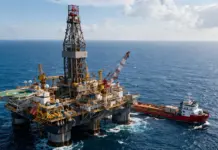


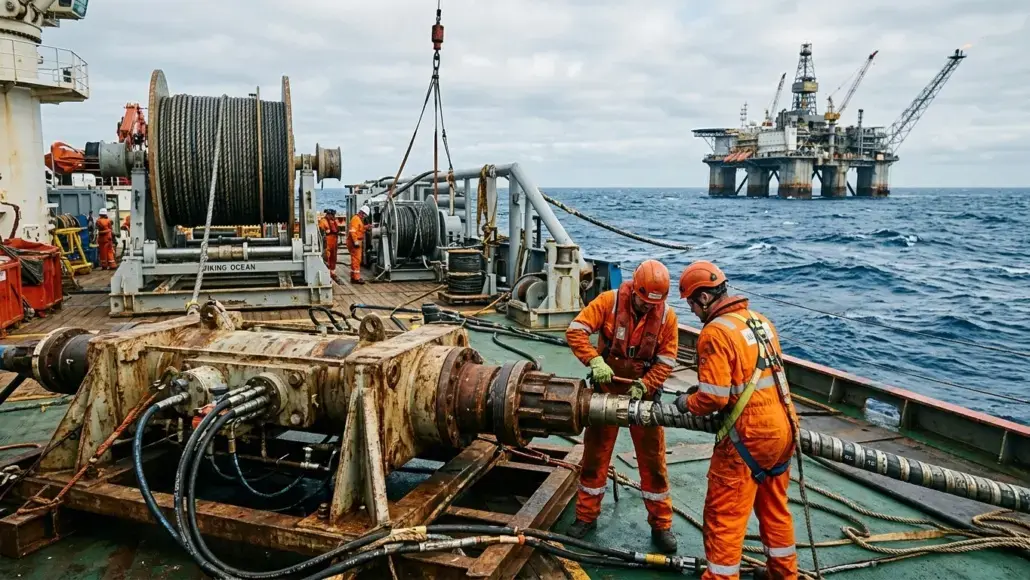
The global energy landscape is increasingly shaped by the need to develop smaller, more complex hydrocarbon accumulations that were once considered economically marginal. In the deepwater arena, the challenge of high capital expenditure often makes standalone developments—involving new surface platforms and infrastructure—unfeasible for these smaller reserves. Long-distance tiebacks have emerged as the definitive solution to this problem, enabling operators to connect remote subsea wells to existing production hubs located dozens, or even hundreds, of kilometers away. Oil & Gas Advancement notes that by leveraging underutilized capacity in existing facilities, the industry can unlock massive quantities of oil and gas with a fraction of the investment required for a new greenfield project. This approach not only optimizes the economics of deepwater basins but also extends the life of mature infrastructure, creating a more sustainable and resilient offshore ecosystem.
Redefining Economic Viability in Deepwater Development
The core philosophy behind long-distance tiebacks is the maximization of existing assets. When a large deepwater field reaches its peak and begins to decline, its surface processing capacity becomes available. Simultaneously, satellite discoveries are often made nearby, but their size might not justify the cost of a dedicated floating production storage and offloading (FPSO) unit. A tieback allows these satellite fields to “plug in” to the established hub. The economic impact of this strategy is profound. By sharing the costs of topside facilities, subsea tiebacks can lower the break-even price of deepwater barrels by significant margins. In an era of volatile energy prices, the ability to develop marginal fields profitably is a critical competitive advantage. Furthermore, tiebacks offer a faster route to “first oil,” as the lead time for subsea infrastructure is typically much shorter than that of a complex surface vessel.
The Physics of Flow Assurance in Extended Tiebacks
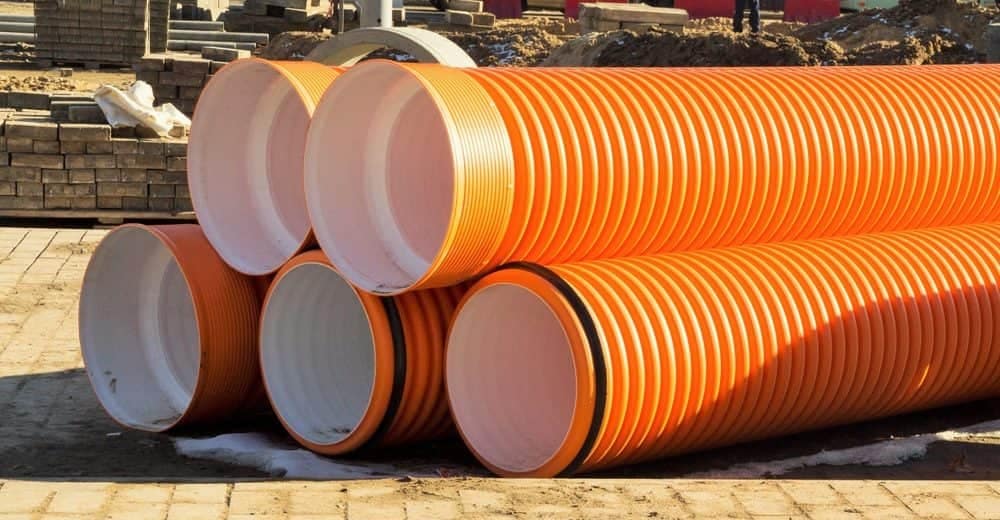
The primary hurdle to increasing tieback distance is flow assurance—the ability to ensure that the produced fluids reach the processing facility without solidifying or causing blockages. As oil and gas travel through subsea pipelines, they lose heat to the surrounding seawater, which is often near freezing. If the temperature drops below a certain threshold, waxes and hydrates (ice-like crystals of gas and water) can form, plugging the line and potentially leading to catastrophic damage. For long-distance tiebacks, traditional insulation is often insufficient. Engineers must employ a variety of technical solutions to maintain the fluid temperature, including chemical inhibitors and sophisticated pipeline designs. Managing the pressure drop over long distances is another critical factor; as the length of the pipe increases, the friction against the walls slows the flow, requiring active measures to keep the hydrocarbons moving.
Active Heating Solutions: ETH and DEH Technologies
To overcome the thermal limitations of extended distances, the industry has turned to active heating technologies. Electrically Trace Heated (ETH) pipelines and Direct Electrical Heating (DEH) are at the forefront of this effort. ETH involves wrapping heating cables around the production pipe, typically inside a “pipe-in-pipe” insulation system. This allows operators to maintain a precise temperature along the entire length of the tieback, even during unplanned shutdowns when the fluid is stagnant. DEH, on the other hand, uses the pipeline itself as a resistor, passing a high current through the steel to generate heat. These technologies are game-changers for long-distance tiebacks, as they effectively “reset” the thermal clock, allowing wells to be tied back over distances that were previously thought impossible. By keeping the fluids above the hydrate and wax formation temperatures, active heating ensures a steady, reliable flow from the most remote reservoirs.
Strategic Subsea Boosting and Multiphase Pumping
Even with the temperature maintained, the natural pressure of a marginal reservoir may not be enough to transport fluids over long distances, especially in deep water where the hydrostatic head is significant. Subsea boosting systems, particularly multiphase pumps, provide the necessary mechanical energy to overcome these pressure losses. These pumps can handle a mixture of oil, gas, and water without the need for separation on the seafloor, making them ideal for the compact footprint of a subsea development. By installing a boosting station at a strategic point along the tieback, operators can significantly increase the production rate and ultimate recovery of a remote field. The integration of subsea boosting with long-distance tiebacks creates a synergistic effect, allowing for the development of low-pressure reservoirs that would otherwise be trapped beneath the seabed.
Environmental Footprint Reduction and Asset Integration
The environmental benefits of long-distance tiebacks are as significant as the economic ones. By utilizing existing platforms instead of building new ones, the industry avoids the massive carbon emissions associated with the manufacturing and installation of large steel structures. Furthermore, tiebacks reduce the overall physical footprint on the ocean surface and seafloor. From a life-cycle perspective, this “brownfield” expansion is much more sustainable than continuous greenfield development. The integration of digital technologies, such as fiber-optic sensing and real-time flow monitoring, further enhances the safety and efficiency of these systems. Operators can now detect leaks, monitor vibrations, and manage chemical injection with pinpoint accuracy, ensuring that the long-distance infrastructure operates with minimal risk to the marine environment.
Future Innovations in Long-Reach Subsea Infrastructure
As we look toward the next decade, the frontier for long-distance tiebacks will continue to expand. Research is currently focused on developing more efficient subsea power distribution systems, which will allow for even more powerful boosting and heating systems at greater depths and distances. The dream of “subsea to shore”—where wells are tied directly back to a coastal facility, bypassing platforms entirely—is already being realized in gas fields like Ormen Lange and Snøhvit. For oil fields, the challenge remains greater due to fluid complexity, but advancements in subsea separation and chemical management are closing the gap. In the future, the combination of autonomous subsea robots for maintenance and AI-driven flow assurance will make 200-kilometer tiebacks a routine part of the deepwater playbook.
Long-distance tiebacks are the bridge to the future of offshore energy. They represent a shift toward a more intelligent, integrated, and efficient way of harvesting the earth’s resources. By turning “undrillable” or “unprofitable” reserves into productive assets, this technology ensures that we can continue to meet the world’s energy needs while being responsible stewards of our capital and our environment. As the industry matures, the lessons learned from extended tiebacks will inform every aspect of subsea engineering, from the initial discovery to the final decommissioning. Oil & Gas Advancement believes that the ability to connect the dots across the seafloor is the ultimate expression of human ingenuity in the face of deepwater adversity.
