






The development of deepwater oil and gas fields has traditionally been synonymous with massive surface structures, complex floating production units, and staggering capital investments. However, as the industry moves into deeper waters and targets more complex reservoirs, the conventional topside-centric model is reaching its economic and technical limits. Subsea processing systems have emerged as a disruptive alternative, shifting the core functions of separation, boosting, and treatment from the surface to the seabed. This transition is not just a technological feat. It is a strategic move to reduce the overall cost of field development, improve hydrocarbon recovery, and enhance the environmental sustainability of offshore operations. Oil & Gas Advancement believes that by treating the seafloor as a high-tech manufacturing hub, operators can unlock value from fields that were previously considered too remote or too expensive to develop.
Transitioning from Surface to Seafloor Operations
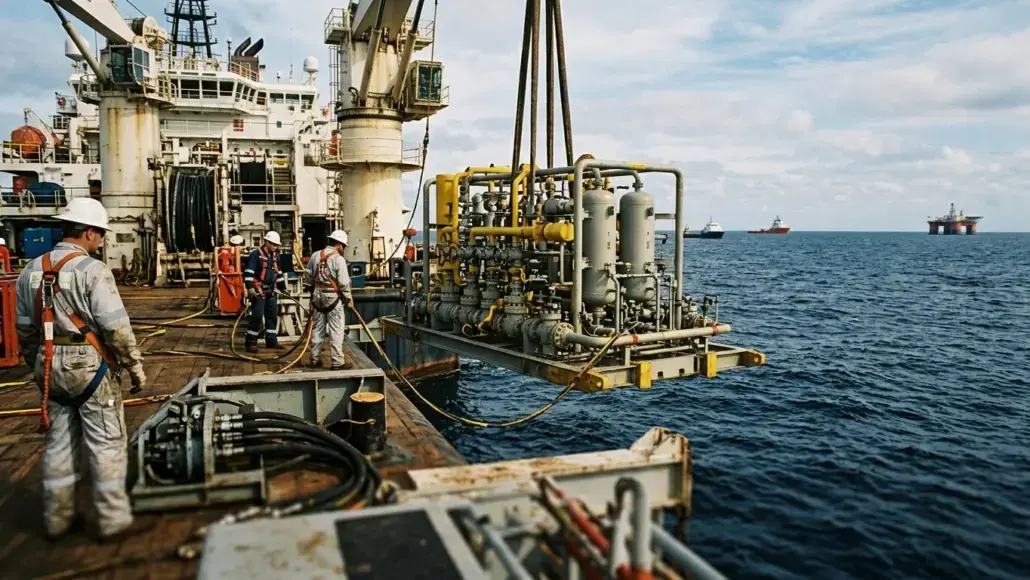
The traditional approach to offshore production involves bringing the entire well stream—a mixture of oil, gas, water, and solids—to a surface platform for processing. In deepwater, lifting these fluids against the pressure of the water column requires an immense amount of energy and necessitates large-diameter risers and heavy topside equipment. Subsea processing systems re-imagine this workflow by performing the initial separation and boosting directly at the wellhead. By removing water or gas on the seafloor, operators can reduce the hydrostatic head in the production risers, making it much easier and cheaper to transport the remaining hydrocarbons to the surface. This fundamental shift in the production architecture allows for smaller, more efficient surface facilities, significantly reducing the capital expenditure (CAPEX) and operational complexity of deepwater projects.
The Role of Subsea Separation in Water Management
One of the most critical components of subsea processing is separation. As oil fields mature, the “water cut”—the ratio of water to hydrocarbons—inevitably increases. Lifting and processing thousands of barrels of water on a surface platform is an expensive and energy-intensive process. Subsea processing systems address this by separating the produced water on the seabed and reinjecting it back into the reservoir for pressure support. This “subsea-to-subsea” water management cycle eliminates the need for massive water treatment facilities on the topsides and reduces the energy required for fluid lifting. Projects like the Marlim field in Brazil and Tordis in the North Sea have demonstrated that subsea separation can significantly extend the life of a field by handling high water volumes that would otherwise overwhelm the surface facilities.
Boosting Production Efficiency with Multiphase Systems
In addition to separation, subsea boosting is a cornerstone of seabed processing. When reservoir pressure is insufficient to drive fluids to the surface, subsea pumps provide the necessary energy to maintain flow rates. Multiphase boosting systems are particularly valuable as they can handle a combination of oil and gas without the need for prior separation. By reducing the backpressure on the wellhead, these systems can increase the production rate by 20% or more and improve the overall recovery factor of the reservoir. For deepwater field development, this means that wells can produce for longer periods, and marginal accumulations can be tied into existing infrastructure over greater distances. The integration of boosting and separation into a single subsea module represents the pinnacle of current offshore engineering, providing a modular and scalable solution for production optimization.
Reducing the Economic Burden on Topsides and FPSOs
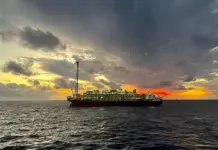
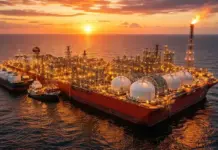
The economic impact of subsea processing is most visible in the design of the surface host. Every ton of equipment removed from a Floating Production Storage and Offloading (FPSO) unit translates to significant savings in hull size, mooring requirements, and installation costs. By delegating processing tasks to the seafloor, operators can utilize “standardized” or smaller FPSOs, which are faster to build and easier to deploy. This “topside weight reduction” is a primary driver for the adoption of subsea systems in high-cost basins like the Gulf of Mexico and West Africa. Furthermore, reducing the amount of processing done on the surface minimizes the risk of hazardous fluid handling near the crew, enhancing the overall safety profile of the offshore asset. From a financial perspective, the higher initial cost of subsea equipment is often more than offset by the reduction in topside CAPEX and the increase in revenue from improved production.
Strategic Sand Management and Flow Assurance Benefits
Subsea processing also plays a vital role in flow assurance and asset integrity. In many deepwater reservoirs, the production of sand and other solids can cause erosion in pipelines and equipment. Subsea processing systems can incorporate sand cycloning and removal modules, ensuring that only “clean” fluids enter the production risers and pipelines. This prevents the accumulation of solids in the subsea infrastructure, reducing the need for expensive pigging operations and unplanned maintenance. Moreover, by separating gas from liquids on the seafloor, operators can better manage the formation of hydrates and waxes, which are the primary threats to flow in cold, deepwater environments. The ability to manage these technical risks at the source creates a more robust and reliable production system, ensuring that the field remains productive even in the face of challenging fluid properties.
The Path Toward Fully Autonomous Subsea Production
As we look toward the future, the evolution of subsea processing systems is trending toward the concept of the “Subsea Factory”—a fully autonomous, all-electric production facility on the seafloor. This vision includes advanced AI-driven control systems that can optimize processing parameters in real-time based on reservoir behavior. The removal of hydraulic lines in favor of all-electric actuators will further reduce the cost and environmental risk of subsea developments. In this future, the surface platform may be replaced by a simple power buoy or a remote control center on shore. For the energy industry, this represents the ultimate goal of deepwater engineering: a safe, efficient, and low-carbon production system that operates unseen and unstaffed beneath the waves. Subsea processing is the foundational technology that is making this dream a reality, ensuring that the industry can continue to provide global energy in an increasingly complex world.
Subsea processing systems are redefining the boundaries of what is possible in offshore development. They offer a powerful toolset for reducing costs, increasing recovery, and managing the technical complexities of the deepwater frontier. As the technology continues to mature and standardize, its adoption will become the norm rather than the exception. For operators, the choice to move processing to the seafloor is a choice for efficiency, sustainability, and long-term value creation. The deep ocean is no longer an obstacle but a platform for innovation, and subsea processing is the engine that drives it forward. In the pursuit of the next generation of energy resources, Oil & Gas Advancement notes that the seabed has become the smartest place to do business.
