








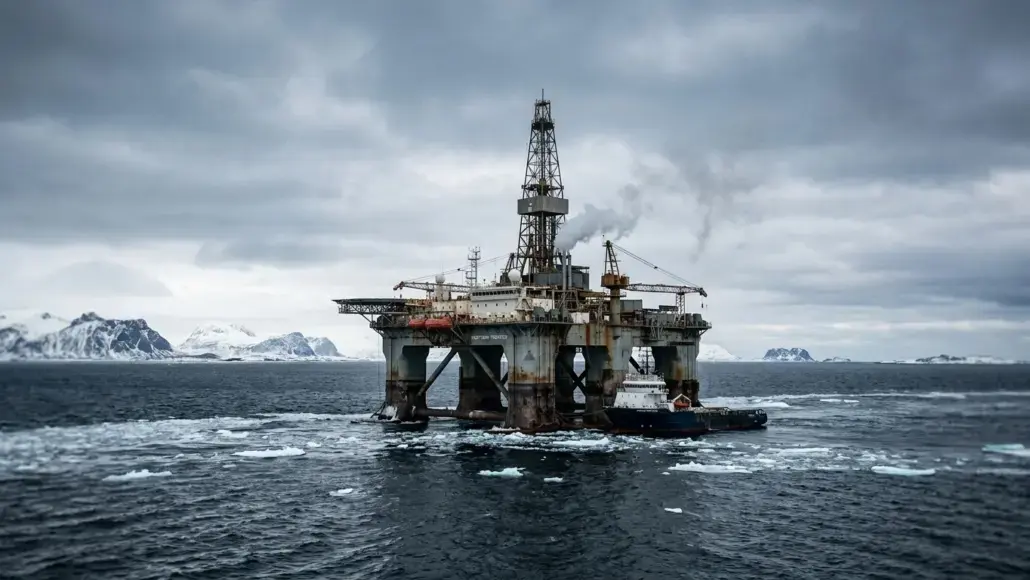
The European Union should reconsider its existing moratorium on Arctic drilling, according to Fatih Birol, the executive director of the International Energy Agency (IEA). The current policy deserves renewed examination as Norway continues to advocate for exploration in the region if approval is granted. The EU introduced the moratorium on Arctic drilling in 2021, citing its climate commitments and environmental concerns. Under the existing restrictions, drilling is prohibited in Norway’s northern areas of the Barents Sea, a region believed to hold the majority of the country’s remaining oil and gas resources.
Although Norway is not a member of the EU, it remains the largest supplier of gas to European markets. In recent months, the country has intensified its efforts to persuade the bloc to abandon its opposition to Arctic drilling. Norway has pointed to the Iran war and what they describe as the biggest oil and gas supply disruption in history as reasons why Europe should strengthen access to reliable energy supplies from regions outside conflict zones. The issue was also discussed in Brussels, where Birol met with Norwegian Finance Minister, Jens Stoltenberg, and subsequently called for a reassessment of the moratorium.
Officials Present Contrasting Views on Arctic Policy
“I support the Commission to give a very close look at this issue because it is extremely important for the European energy security,” Birol said.
“The world needs every drop of oil from Norway,” he added.
In a post on X, Birol wrote that during his discussions with the Norwegian official, “I emphasised Norway’s importance for European energy security as countries reassess their energy strategies.”
Norwegian authorities have consistently argued that the line used to define the Arctic should not automatically serve as the boundary for oil and gas exploration.
Addressing the issue this week, Stoltenberg said, “Of course there are environmental concerns that we have to take into account.”
“But to say no, there should be no oil and gas exploration in the Arctic doesn’t make sense for Norway,” he added.
