
















In the relentless pursuit of energy, the oil and gas industry continually grapples with the inherent complexities of hydrocarbon reservoirs. As fields mature and readily accessible reserves diminish, the challenge to maintain efficient production and maximize ultimate recovery becomes increasingly profound. For decades, reservoir engineers have relied on complex simulations, empirical models, and geological expertise to unlock the subsurface’s secrets. While these methods have been foundational, the sheer volume and velocity of data generated in modern oil and gas operations now demand a more sophisticated approach. This is where AI reservoir management emerges as a pivotal force, leveraging the power of machine learning in oil and gas to not just optimize current operations but fundamentally extend oil field life.
The strategic integration of artificial intelligence and machine learning algorithms is revolutionizing how the industry understands, predicts, and manages these invaluable subsurface assets. Gone are the days when decisions were solely based on historical trends and static models. Oil & Gas Advancement understands the importance of dynamic, data-driven insights to pave the way for unprecedented efficiencies and a prolonged economic lifespan for reservoirs globally.
The Dawn of Intelligent Reservoir Management
AI reservoir management is far more than a buzzword. It represents a paradigm shift in how petroleum engineers approach the intricate task of hydrocarbon extraction. At its core, it involves deploying machine learning algorithms to analyze vast quantities of data, such as seismic surveys, well logs, production history, fluid samples and even real-time sensor data, to build predictive models that can forecast reservoir behavior with remarkable accuracy. This goes beyond traditional numerical simulation by identifying subtle patterns and correlations that human analysis might miss, thereby unlocking new pathways for oil field production optimization.
Traditionally, reservoir management has been an iterative process, involving extensive human intervention to interpret data, calibrate models, and make operational adjustments. This process, while robust, can be time-consuming and prone to human bias or oversight. Machine learning in oil and gas introduces an unparalleled level of automation and analytical depth, allowing for continuous optimization and adaptive strategies. It equips decision-makers with a proactive stance rather than a reactive one, transforming how engineers interact with complex geological systems.
Unlocking Reservoir Potential Through Predictive Analytics
One of the most compelling applications of AI reservoir management lies in its capacity for predictive reservoir analytics. Instead of merely understanding what has happened, AI models can forecast what is likely to happen next. This capability is critical for proactive decision-making. By analyzing historical production data, pressure responses, and fluid movements, machine learning algorithms can predict future production rates, identify potential areas of decline, and anticipate the impact of various operational strategies. This is particularly valuable in mature fields where decline prediction in oil fields is a constant concern. Early and accurate predictions allow operators to implement timely interventions, such as adjusting injection patterns or performing well workovers, before production significantly drops.
Furthermore, these sophisticated models can identify optimal drilling locations and completion designs. By scrutinizing petrophysical properties, geological structures, and existing well performance, AI can recommend the most efficient placement of new wells or the best candidates for re-completion, maximizing recovery rates and minimizing unproductive expenditures. This data-driven approach ensures that capital is deployed where it will yield the highest return, a cornerstone of effective oil field production optimization.
Real-Time Optimization and Dynamic Adjustments
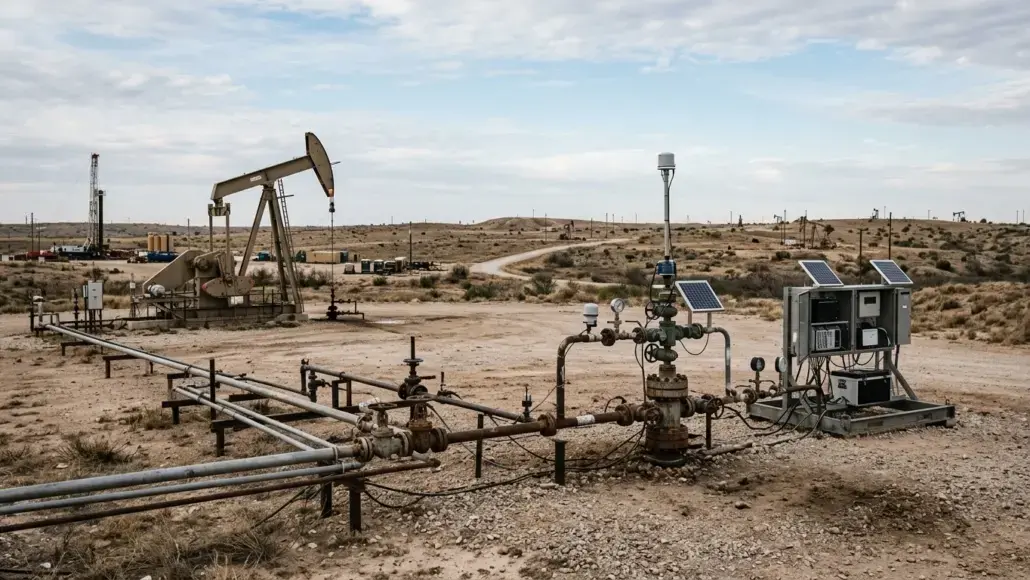
The concept of the digital oilfield solutions has been around for some time, but AI truly elevates its potential. With intelligent sensors deployed across wells and facilities, vast streams of real-time data are continuously gathered. AI reservoir management systems can process this data instantaneously, identify anomalies, and even suggest immediate corrective actions. For example, if a sudden pressure drop is detected in an injector well, the AI system can flag it, diagnose potential causes like a leak or a blockage, and recommend an adjustment to injection rates or fluid composition.
This real-time feedback loop dramatically enhances reservoir performance optimization. Operators can move away from scheduled, periodic adjustments to a continuous, adaptive management strategy. This dynamic approach not only prevents issues from escalating but also ensures that the reservoir is always operating at its peak efficiency. The ability to make data-backed adjustments in real-time is a game-changer, significantly contributing to the effort to extend oil field life.
The Role of Machine Learning in Reservoir Characterization and Modeling
Before any production can occur, understanding the reservoir’s inherent characteristics is paramount. AI in reservoir engineering is revolutionizing the traditionally arduous task of reservoir characterization and modeling. Machine learning algorithms can integrate disparate data types, such as seismic, geological, petrophysical, and production data, to create more accurate and high-resolution reservoir models than ever before. This includes identifying complex geological features, predicting rock and fluid properties in areas with sparse data, and even quantifying uncertainties associated with these predictions.
For instance, convolutional neural networks (CNNs) can interpret seismic images to delineate subtle geological faults or stratigraphies that might be missed by conventional interpretation methods. Similarly, AI models can predict permeability and porosity distributions more accurately by learning from well log data and core measurements. These enhanced reservoir models provide a more truthful representation of the subsurface, leading to better decisions regarding field development, drilling paths, and production strategies, ultimately bolstering reservoir performance optimization.
Extending Field Life Through Enhanced Recovery Strategies
As fields mature, natural drive mechanisms deplete, and operators often turn to Enhanced Oil Recovery (EOR) techniques. These methods, such as waterflooding, gas injection, or chemical flooding, involve injecting fluids into the reservoir to push remaining oil towards production wells. EOR operations are notoriously complex and costly, requiring precise management of injection rates, fluid compositions, and well patterns.
AI reservoir management proves invaluable here. Machine learning algorithms can optimize EOR strategies by predicting the most effective injection points, volumes, and types of fluids based on real-time reservoir response. They can learn from the historical performance of various EOR pilots and full-field applications, applying those insights to new or ongoing projects. For example, AI can optimize waterflood patterns to prevent premature water breakthrough or identify zones that are being bypassed, ensuring that the injected fluids are efficiently sweeping the reservoir. This level of optimization significantly improves the recovery factor of EOR projects, directly helping to extend oil field life. The insights gained from machine learning in oil and gas allow for a more nuanced and effective implementation of these recovery techniques, turning marginal reserves into viable economic assets.
Overcoming Challenges and Looking Ahead
While the advantages of AI reservoir management are clear, its implementation is not without challenges. Data quality and availability remain critical factors. Machine learning models thrive on clean, comprehensive, and consistent data. Legacy fields, with their often fragmented and disparate data records, require significant effort in data preparation and integration before AI can be effectively deployed. Moreover, the industry needs to cultivate a workforce with hybrid skills such as petroleum engineers who understand data science, and data scientists who grasp the nuances of reservoir physics.
Despite these hurdles, the trajectory is undeniably towards deeper AI integration. The future of oil and gas production will be characterized by increasingly autonomous operations, where digital oilfield solutions, powered by AI, continuously monitor, analyze, and optimize every facet of reservoir performance. This includes everything from self-adjusting pump settings to AI-driven maintenance schedules, all contributing to a seamless and highly efficient production system. The continued advancements in computational power and algorithm sophistication will only amplify AI’s impact, making it an indispensable tool for future energy security.
The promise of AI reservoir management extends beyond mere operational efficiency. It underpins the industry’s commitment to sustainability. By maximizing recovery from existing assets, AI reduces the need for new, frontier exploration, thereby lessening the environmental footprint of hydrocarbon production. Smarter, more precise extraction also minimizes waste and optimizes energy consumption within field operations.
In conclusion, Oil & Gas Advancement understands that the integration of AI reservoir management is no longer an optional luxury but a strategic imperative for the modern oil and gas industry. Through sophisticated machine learning in oil and gas applications, from predictive reservoir analytics to real-time production optimization, operators can make smarter, more informed decisions that directly translate into significant economic and operational benefits. Oil & Gas Advancement notes that the ability of AI in reservoir engineering to illuminate the subsurface, optimize recovery mechanisms, and foster a dynamic operational environment is fundamentally transforming how industry players approach hydrocarbon assets. This intelligent evolution in reservoir management is undeniably the key to not only sustaining but significantly extending oil field life for decades to come, ensuring a more efficient, resilient, and responsible future for global energy supply.
