


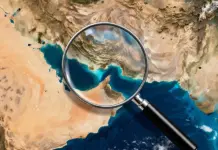





The UK government has announced a significant adjustment to its sanctions regime, easing restrictions on Russian oil that has been refined into diesel and jet fuel in third countries. This waiver, effective from 20th May 2026, comes as global fuel prices escalate and supply chains face disruptions. The relaxation on Russian oil sanctions reflects growing concerns over the availability of certain fuels, particularly in the wake of the ongoing crisis affecting the vital Strait of Hormuz waterway.
In addition to the adjustments concerning refined oil products, some sanctions on the transport of Russian liquefied natural gas (LNG) have also been partially lifted. The governemnt emphasized that while the overall sanctions framework against Russia has been strengthened, these specific flexibilities are necessary to ensure the security of supply for critical economic goods.
The backdrop to this policy shift includes a dramatic increase in jet fuel prices. European jet fuel costs more than doubled following the commencement of the war, and while they have since receded, they remain significantly elevated. Several airlines have responded by cancelling flights and increasing fares due to the soaring cost of jet fuel.
For years, the UK has been at the forefront of international efforts to exert economic pressure on Russia in response to its invasion of Ukraine. Just days prior to this announcement, the UK co-signed a G7 statement reaffirming its commitment to imposing severe costs on Russia. The government had previously outlined plans, announced in October, to ban oil products like diesel and jet fuel refined from Russian crude oil in third countries.
The current easing of Russian oil sanctions will effectively permit the import of jet fuel from countries like India, which has been a substantial supplier to the UK and Europe. Turkey is another significant hub where Russian crude oil is refined. The government has stated that these new rules for sanctioned processed oil products will be of “indefinite duration,” subject to periodic review and potential amendment or revocation. A time-limited license, running until 1, has also been issued to cover the maritime transportation of LNG and related services under Russian sanctions rules.
The UK’s relaxation of Russian oil sanctions follows a similar measure by the United States, which extended a waiver in March allowing countries to purchase Russian oil and petroleum already loaded onto vessels at sea. U.S. Treasury Secretary Scott Bessent had described this as a “short-term measure” to promote “stability in global energy markets.” This U.S. policy has also faced criticism from allies who argue it benefits the Russian government amid its ongoing invasion of Ukraine.
