



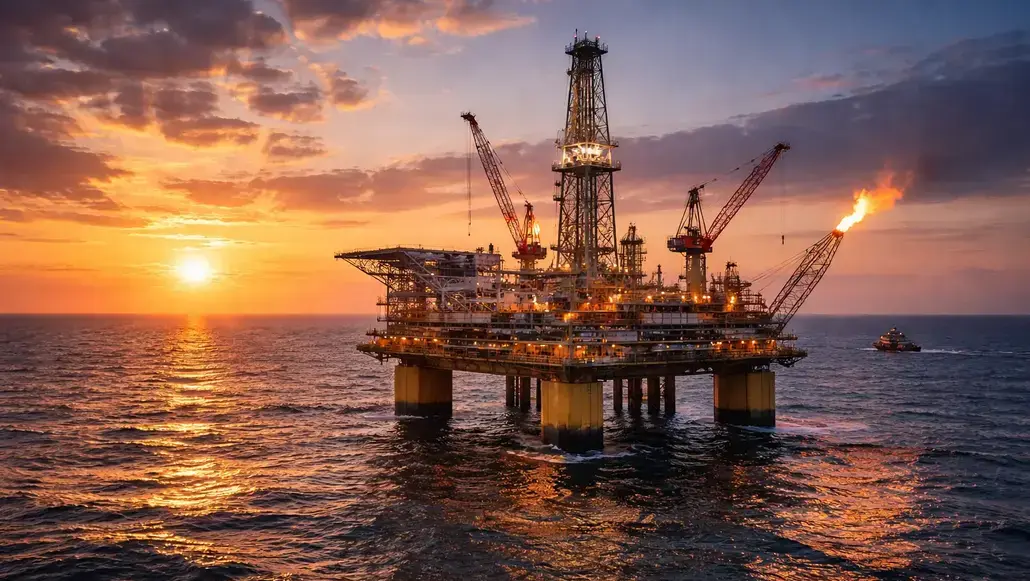
Italian energy major Eni, in partnership with Egypt, has confirmed a notable gas discovery offshore Egypt in the Eastern Mediterranean, a development that comes at a critical time for regional energy markets. The find is being viewed as a potentially important supply boost for Cairo and parts of Europe, particularly as the Iran war continues to drive up energy import costs. According to initial assessments shared by Eni, the Temsah field is estimated to contain approximately 2 trillion cubic feet of natural gas. In addition, Egypt’s petroleum ministry reported that the discovery also includes 130 million barrels of petroleum condensates, positioning the project as a key component of the country’s strategy to expand domestic production and reduce reliance on imports. This gas discovery offshore Egypt is therefore closely tied to broader national energy security goals.
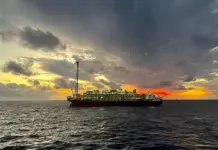
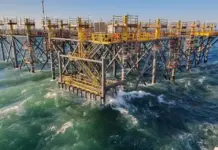
Work is now advancing toward the next phase of development. The Denise W well is currently being readied for testing, after which further drilling activity will follow. Plans include the installation of an offshore production platform before the field can be brought into operation. The Denise W 1 well, drilled within the Temsah Concession, lies around 70 kilometres offshore in 95 metres of water depth and is located less than 10 kilometres from existing infrastructure. Eni operates the concession with a 50% working interest, while BP holds the remaining 50% stake through their joint venture Petrobel. The proximity to established infrastructure is expected to play a role in accelerating development timelines for this gas discovery offshore Egypt.
The timing of the discovery is particularly significant as Egypt grapples with disrupted gas supplies. Imports from Qatar and Israel have been heavily affected since the escalation of the Iran war, forcing the government to implement a series of energy-saving measures. These include introducing a business curfew, increasing fuel prices, and moderating public spending. Prime Minister Mostafa Madbouly stated last month that the conflict had driven Egypt’s natural gas import bill sharply higher, rising from $560 million to $1.65 billion per month. Against this backdrop, the gas discovery offshore Egypt could help alleviate some of the immediate supply pressures, although its full impact will depend on the speed of development.
The announcement has also drawn comparisons with Egypt’s previous offshore successes. The discovery recalls the 2015 Zohr field, the largest in the Mediterranean, which holds an estimated 30 trillion cubic feet of gas and once fueled ambitions of energy self-sufficiency and export leadership. While those expectations have since been moderated, Egypt has shifted its focus toward becoming a regional processing and transit hub, leveraging liquefaction infrastructure to handle gas flows from neighboring producers such as Cyprus. More recently, Egypt and Apache Corporation reported an onshore discovery in the Western Desert, expected to produce 26 million cubic feet per day. Whether the Temsah development can significantly ease the country’s energy challenges will depend on how quickly production begins and how long current geopolitical disruptions persist, but the latest gas discovery offshore Egypt clearly reinforces the strategic importance of domestic exploration efforts.
