





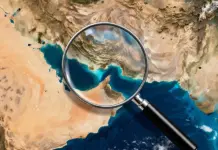







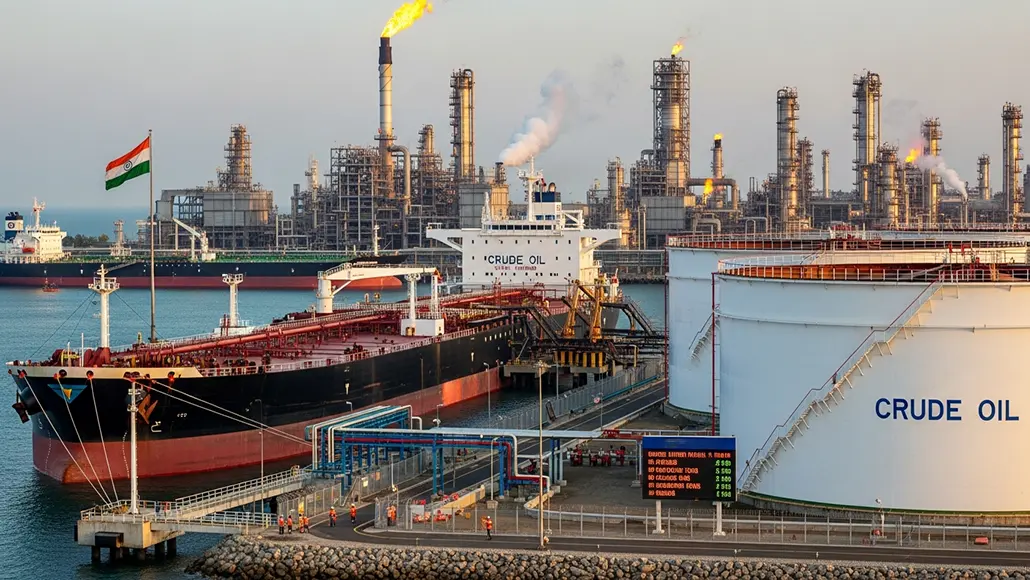
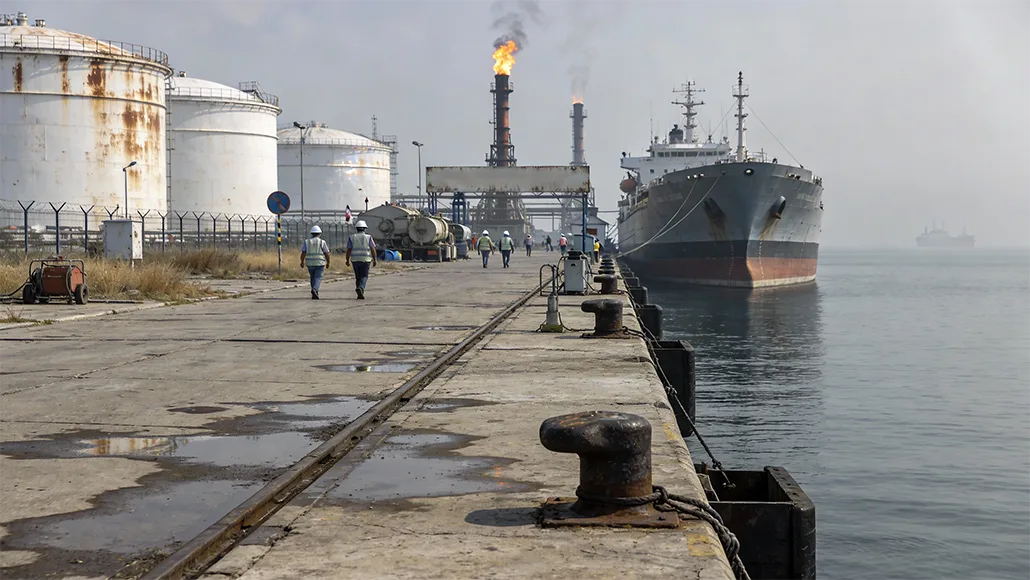

The Strait of Hormuz is widely recognized as the most vital maritime chokepoint on the planet. Recent military escalations have triggered a severe Strait of Hormuz disruption, leading to a near-total collapse in shipping transits and massive price volatility across the oil and gas sector.
Major Key Takeaways:
- Drastic Transit Reduction: Ship transits through the Strait have plummeted by 97%, falling from a February average of 141 per day to just a handful by early March 2026.
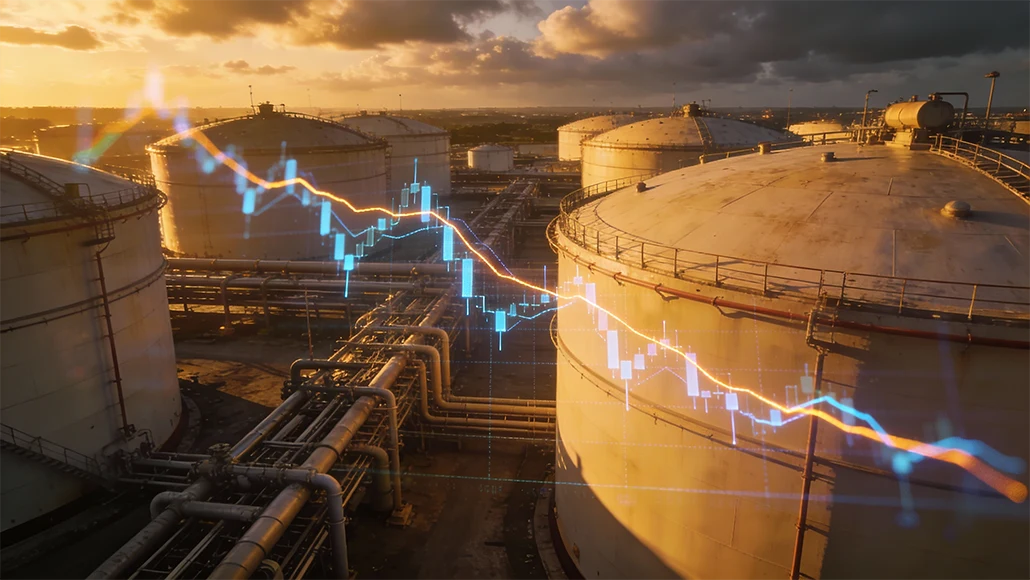
- Surging Energy Prices: Between 27th February and 9th March 2026, Brent crude oil prices rose by 27% (surpassing $90/barrel), while natural gas prices spiked by 74%.
- Critical Supply Volumes: The Strait handled passage of approximately 20 million barrels of oil per day in 2024, representing 25% of all global seaborne oil trade.
- Shipping Costs Skyrocket: Freight rates for “dirty” tankers (crude) jumped 54%, while “clean” tankers (refined products) rose 72% between 27th February and 9th March 2026.
- Insurance and Fuel Spikes: War-risk insurance premiums have quadrupled.
A Strategic Chokepoint Under Siege
The current Strait of Hormuz disruption highlights the extreme vulnerability of global energy supply chains. In 2024, the Strait facilitated the movement of 14 million barrels per day (bpd) of crude oil and 6 million bpd of petroleum products. The disruption is particularly felt in Asia, which relies on the Strait for 84% of its crude oil and 83% of its liquefied natural gas (LNG) imports.
The military escalation that intensified around 27th February 2026, has effectively halted the flow of these commodities. This standstill is not limited to only oil. The Strait also accounts for one-third of global seaborne trade in fertilizers.
Financial and Logistical Repercussions
The industry is currently grappling with a “triple threat” of rising costs: energy prices, transport fees, and insurance. The Baltic Exchange Dirty Tanker Index (BDTI) and Clean Tanker Index (BCTI) have reached historic highs as the risk of navigating the region increases. Furthermore, a typical very large crude carrier (VLCC) valued at $100 million now faces insurance costs of $1,000,000 per voyage, a 300% increase from pre-crisis levels of $250,000.
These logistics-driven price hikes are mirrored in the financial markets, where bond yields for regional players like Iraq, Bahrain, and Saudi Arabia have seen notable upticks, increasing the economic burden on these nations.
Global Socio-Economic Ripple Effects
The implications of this Strait of Hormuz disruption extend far beyond the energy sector. Historically, spikes in oil and gas prices lead directly to higher food and fertilizer costs. This creates a severe cost-of-living crisis, particularly for developing and least-developed economies like Sudan, Sri Lanka, and Tanzania, which are heavily dependent on fertilizer imports passing through the Persian Gulf.
For many of these nations, the shock comes at a time of limited fiscal space and high debt. The long-term stability of the global economy now depends on the duration and intensity of these tensions and the ability of the international community to safeguard these critical trade corridors.
Click here to read the full whitepaper to know about the situation in detail.
