














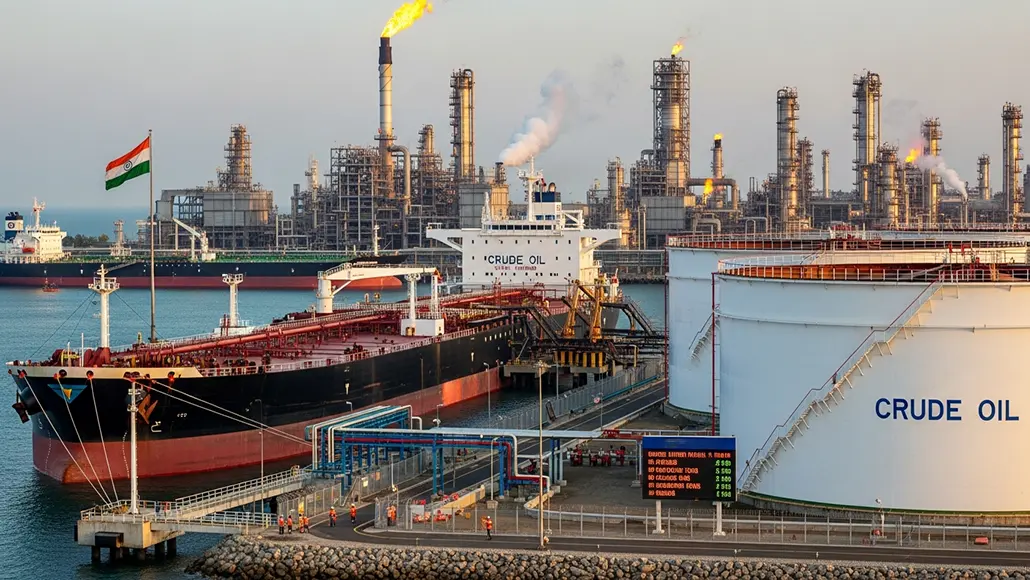
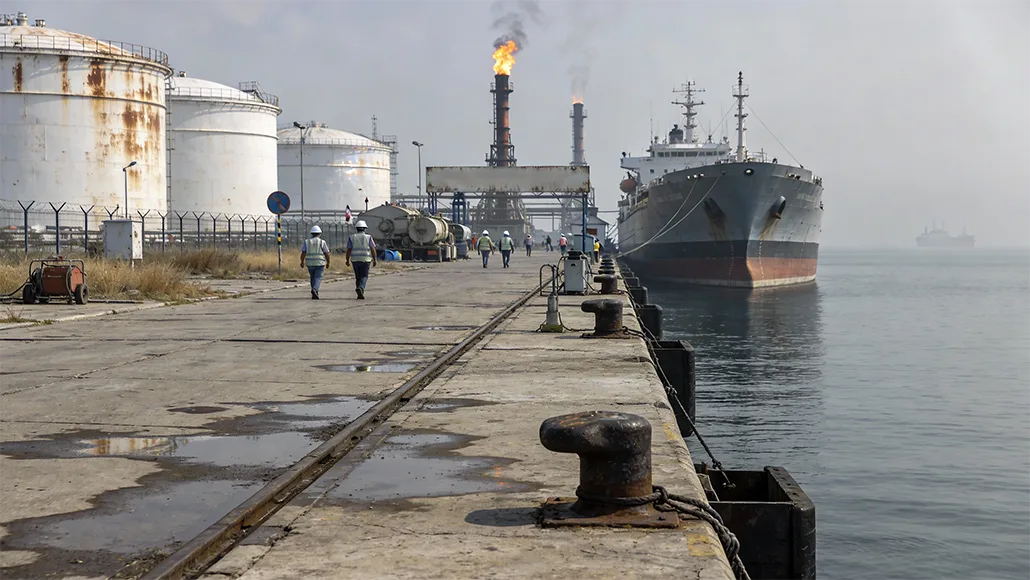
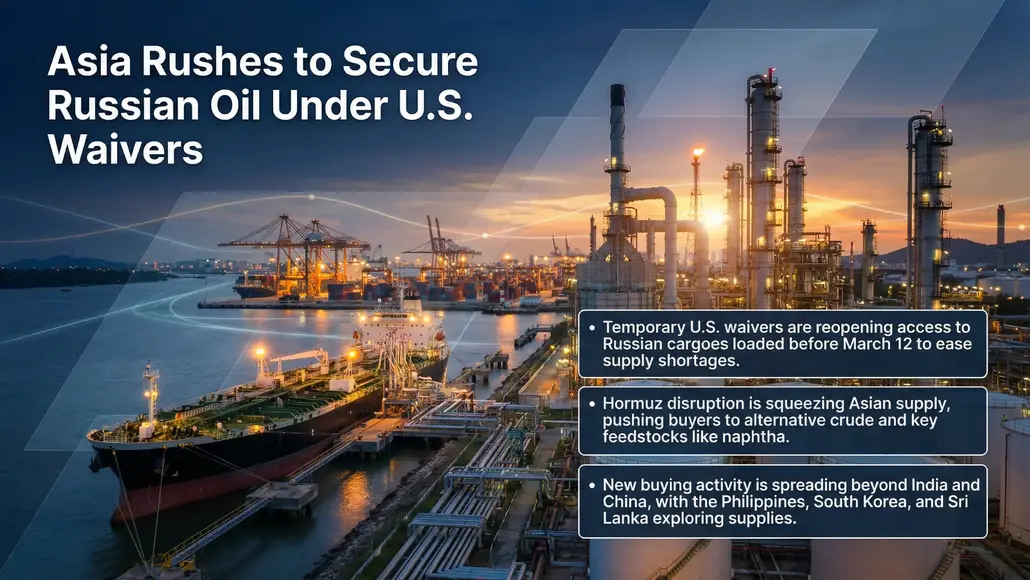
A fresh wave of crude purchases is unfolding across Asia as energy-importing nations move quickly to secure Russian oil under temporary U.S. sanction waivers introduced amid the Iran war. The easing of restrictions has opened a narrow window for countries facing supply shortages to tap into available cargoes. The Philippines has already received its first shipment of ESPO crude in nearly six years, while South Korea has taken delivery of its first Russian naphtha cargo this year at Daesan port, where it is currently awaiting discharge, according to ship-tracking data. Meanwhile, Sri Lanka is among other countries engaged in discussions with Moscow regarding potential supplies of Russian oil.
The ongoing conflict involving the US, Israel and Iran has significantly disrupted global energy flows, particularly following the near-total closure of the Strait of Hormuz. This chokepoint has long been critical for oil shipments, and its shutdown has triggered a sharp supply squeeze across Asia. Refiners across the region are now under pressure to secure alternative sources of crude and refined products. In this context, Russian oil has become a viable option, as Washington’s waivers allow access to cargoes loaded before March 12. The policy move is aimed at stabilising global oil markets, although it has also drawn criticism for indirectly supporting Moscow’s revenues. At the same time, efforts to bring Iranian barrels back into circulation have seen limited traction, with buyers remaining cautious.
In South Korea, the situation remains uncertain as companies assess whether additional purchases can be completed within the waiver deadline. According to local broadcaster YTN, citing an official from the Industry Ministry, unloading and payment for Russian crude and naphtha must be finalised by 11th April 2026, when the waiver expires. Naphtha, widely used as a feedstock in petrochemical production and gasoline blending, remains an essential input for the country’s industrial sector. Elsewhere, Japan is also weighing its options as the conflict persists. While any move toward Russian oil would involve diplomatic considerations, the country continues to require steady supplies of crude and petrochemical feedstocks and already maintains imports of Russian liquefied natural gas.
Prior to the introduction of these waivers, purchases of Russian oil in Asia were largely concentrated among Indian refiners and independent processors in China. Concerns over potential restrictions tied to the US financial system had deterred other buyers. Even now, India and China remain dominant importers, with India expected to take about 60 million barrels this month, while Russian supplies have accounted for a growing share of China’s crude intake this year.
