





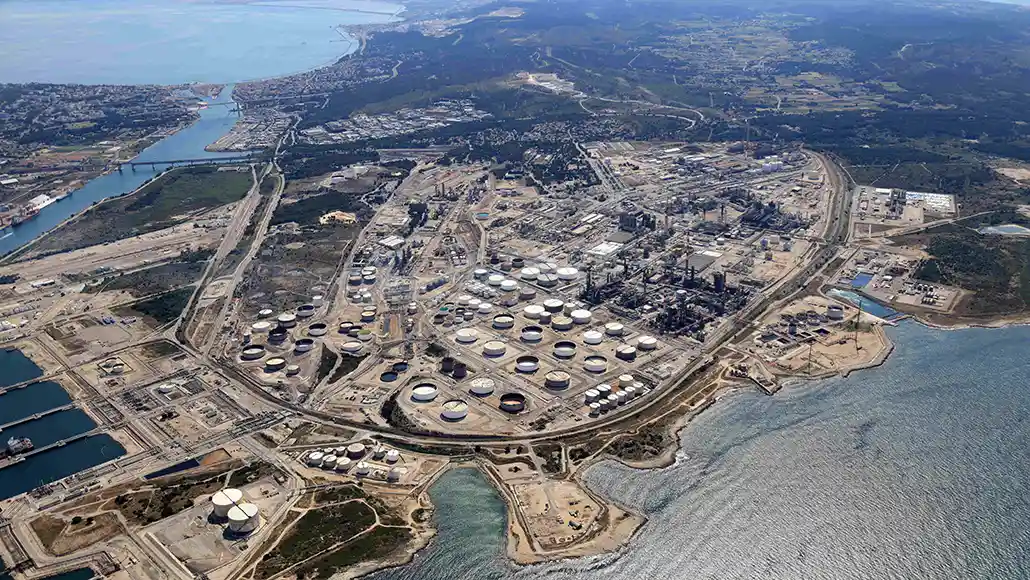
On February 19, 2026, INEOS went on to announce a €300 million investment, which is supported by French government grants that will help deliver the next phase of its Lavera regeneration plan and also slash the carbon dioxide emissions by 331,000 tonnes per year, which, by the way, is equivalent to taking 70,000 cars off the road every year. Apparently, this programme will also enhance the long-term competitiveness of one of the most significant industrial assets of France, as it will help secure thousands of skilled jobs.
It is well to be noted that the French government is offering support under the ‘Appel d’Offres Grands Projets Industriels de Décarbonation’ – AO GPID scheme, which, by the way, happens to be a part of the France 2030 investment plan and is operated by ADEME. AO GPID goes on to offer annual grants to support large industrial decarbonization projects that roll out verifiable emissions reductions over a 15-year period in order to decrease the dependence of France on fossil-based energy.
The fact is that at a time when chemical plants are shutting down across Europe due to pressure coming from high energy expenditures as well as global competition, this investment is indeed going to offer a balance of almost 2,000 direct employees and over 10,000 workers throughout the wider supply chain.
Notably, Lavera is a major source of French manufacturing. Its products, as well as pipelines, feed directly into the essential value chains throughout healthcare, pharmaceuticals, transport, aerospace, food packaging, defence, and clean energy. To maintain these capabilities inside France is important for industrial strength, economic resilience, and the long-term technological leadership of the country, especially at a time when Europe is facing a growing dependence on imports from both China as well as the United States.
Lavera regeneration plan is indeed going to make Lavera a profitable and lower-carbon facility, having a clear pathway to net zero as both electrification and the carbon capture technologies mature. The investment is also going to support French circular economy targets by helping the Lavera cracker to process more sustainable feedstocks, which happen to be made from recycled plastics as well as bio-sourced materials, thereby replacing the fossil-based inputs.
Mixed with the €250 million investment that was announced in November 2025, this takes the complete planned investment at the Lavera site to over €550 million.
Notably, INEOS continues calling for urgent political action so as to restore competitiveness in the strategically vital chemical sector of Europe. Without this, millions of jobs are going to be lost, there will be a spurt in emissions, and major European industries are going to become dangerously dependent when it comes to imports.
The announcement, which was made on February 19, 2026, truly highlights the long-term commitment by INEOS to France. INEOS is going to work closely with the French government all across its investment programme, right from the planning phase to delivery, in order to make sure that Lavera remains resilient and competitive as well as in sync with the industrial and climate objectives of France.
