










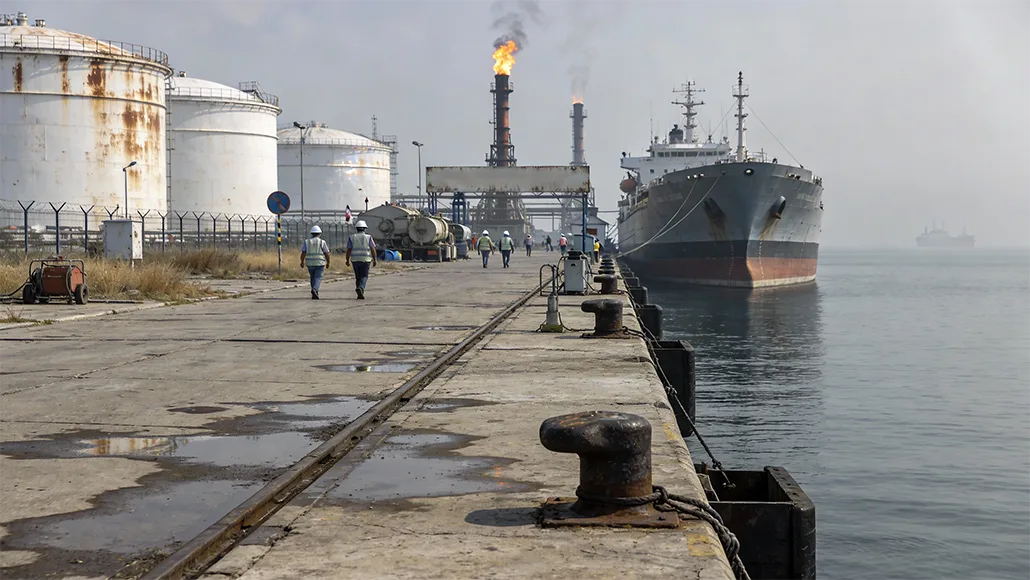
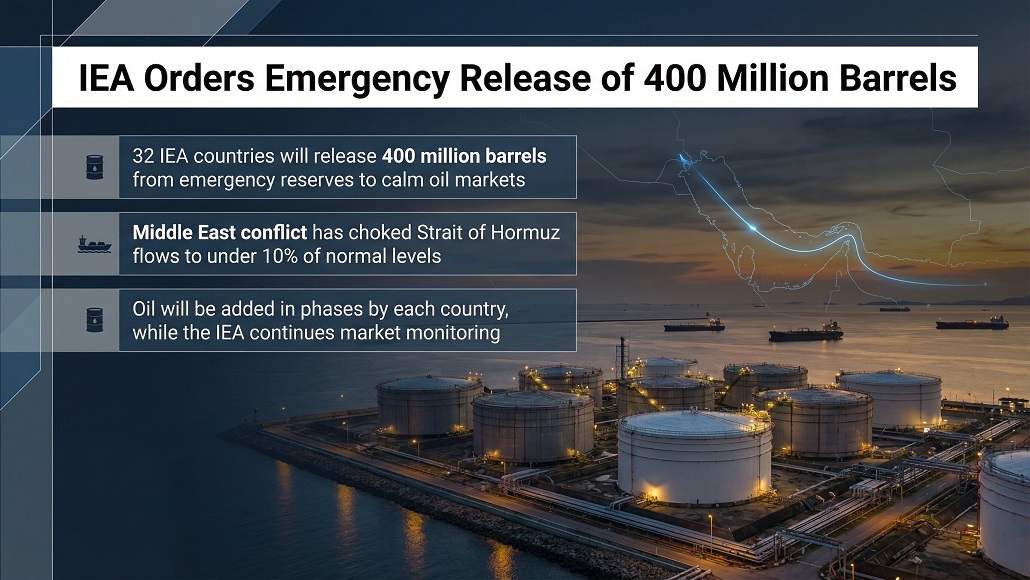
The 32 Member countries of the International Energy Agency (IEA) agreed unanimously on 11th March 2026 to place 400 million barrels of oil from their emergency reserves on the market in response to disruptions triggered by the war in the Middle East. The coordinated move marks the largest oil stock release aimed at addressing supply instability and easing pressure on global oil markets affected by the escalating conflict. The decision followed an extraordinary meeting of IEA Member governments held a day earlier, which was convened by the IEA Executive Director to review prevailing market conditions and evaluate options to mitigate supply disruptions resulting from the ongoing crisis.
According to the announcement, the emergency stocks will be introduced to the market over a period suited to the national circumstances of each participating Member country. In addition to collective action, some governments are expected to implement supplementary emergency measures. The initiative represents the largest oil stock release coordinated by the agency in response to the current crisis and reflects the scale of the supply challenges facing global energy markets. IEA members currently maintain emergency stockpiles exceeding 1.2 billion barrels, alongside an additional 600 million barrels of industry stocks that are held under government obligation. The coordinated release also marks the sixth such intervention in the history of the agency, which was established in 1974. Previous collective actions were carried out in 1991, 2005, 2011, and twice in 2022.
The supply strain prompting the largest oil stock release stems from the conflict in the Middle East that began on 28th February 2026, which has significantly disrupted oil shipments through the Strait of Hormuz. Export volumes of crude and refined petroleum products moving through the key passage have dropped to less than 10% of pre-conflict levels, forcing operators across the region to shut in or curtail substantial amounts of production. In 2025, an average of 20 million barrels per day of crude oil and oil products moved through the Strait of Hormuz, representing roughly 25% of the world’s seaborne oil trade. With limited alternative routes available for bypassing the strait, the disruption has heightened the urgency of market intervention.
The IEA Secretariat stated that additional details regarding how the largest oil stock release will be implemented will be provided in due course. The agency also confirmed that it will continue monitoring global oil and gas markets closely and will issue further recommendations to member governments if necessary as the situation evolves.
