


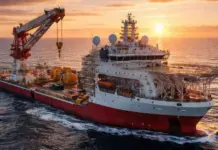


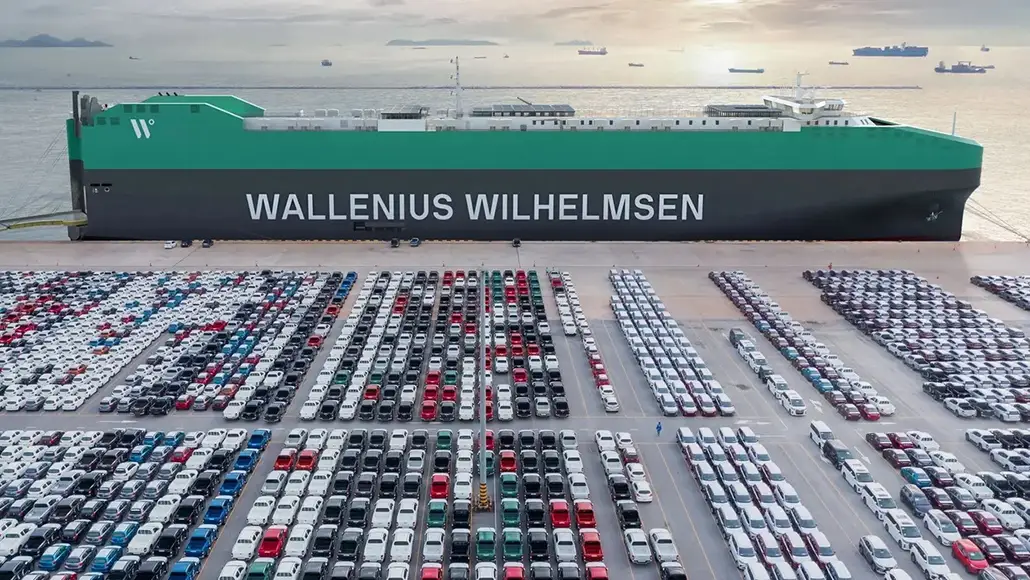
Equinor has signed a two-year bio-methanol agreement with Wallenius Wilhelmsen, a major global player in shipping and vehicle logistics, aimed at supporting the development of low-carbon fuels within the maritime sector. Under the bio-methanol agreement, bio-methanol supplied by Equinor will be used to power ships transporting cars and heavy machinery from production sites to global markets. Wallenius Wilhelmsen, widely recognized as a market leader in roll-on/roll-off (RoRo) shipping and vehicle logistics, plans to use the fuel as bunker supply for its upcoming dual-fuel methanol vessels. The bio-methanol agreement places the partnership within key European maritime hubs, as the company will receive bio-methanol bunkers at the Ports of Zeebrugge and Antwerp. Deliveries under the arrangement are scheduled to begin in late 2026.
The partnership forms part of Wallenius Wilhelmsen’s broader strategy to reduce emissions across its ocean transport operations. By securing access to lower-emission marine fuels through the bio-methanol agreement, the company aims to support its ambition to deliver net-zero logistics solutions to its customers. The agreement is also intended to strengthen the availability of alternative fuels for maritime transport, which remains a key factor in enabling wider decarbonization throughout the shipping and logistics industry. Increased fuel supply and infrastructure are viewed as essential components for scaling low-carbon solutions across global shipping networks.
Using bio-methanol as bunker fuel can significantly reduce greenhouse gas emissions from vessels operating on this alternative fuel. Through the bio-methanol agreement, Wallenius Wilhelmsen will be able to deploy lower-emission fuel in its fleet and move closer to offering net-zero logistics solutions to customers that depend on maritime transport for vehicles and industrial equipment. The initiative reflects a broader shift in the shipping industry toward alternative energy sources as companies seek to meet sustainability targets and reduce their environmental footprint.
Equinor’s supply of bio-methanol will rely on a combination of methanol produced at its facility in Tjeldbergodden, Norway, along with biogas certificates derived from captured biogas generated from manure and other biomass. This production approach follows the framework set out under the EU Renewable Energy Directive. The methanol is created from biomethane within the gas grid using a mass-balance system, allowing bio-methanol to be produced through existing industrial infrastructure. By utilizing established plants and networks, the process enables rapid production while minimizing additional pressure on land, natural resources, and ecosystems. In addition, capturing methane from manure feedstock helps prevent emissions that would otherwise occur if the organic material were left untreated.
