

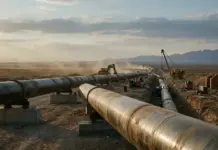

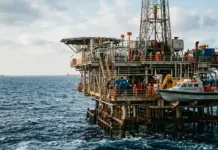
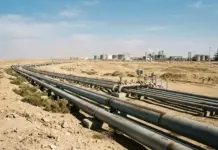
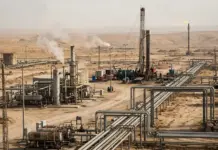
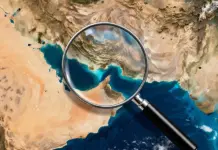




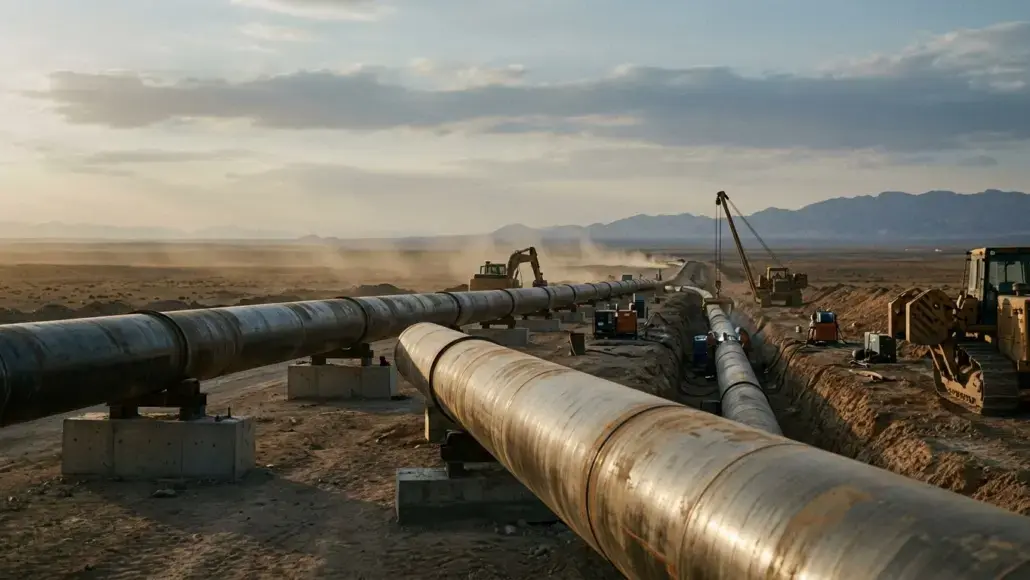
The Japanese government is set to increase financial assistance for domestic companies involved in overseas oil pipeline infrastructure. This initiative, detailed in a document recently issued by the Ministry of Economy, Trade and Industry (METI), aims to bolster alternative transportation routes for energy resources, particularly across the Middle East. By developing these networks, the nation intends to create bypasses to the Strait of Hormuz, which remains a critical but vulnerable chokepoint for global energy flows.
Strategic Objectives and Infrastructure Development
METI is currently reviewing measures, including the provision of risk-capital funding, to encourage Japanese firms to participate in regional pipeline developments. This policy shift is aligned with ongoing discussions between Tokyo and partners in the region, who have requested Japanese cooperation in expanding facility capacities. Notably, reports suggest that Saudi Arabia is already exploring the expansion of its crude oil pipeline infrastructure toward the Red Sea coast.
Enhancing the Role of State Agencies in Energy Supply
To facilitate these objectives, the ministry is considering broadening the mandate of the Japan Organization for Metals and Energy Security (JOGMEC). Currently, the agency’s capacity to support energy infrastructure is restricted to projects directly linked to upstream development. Under the proposed changes, JOGMEC would be empowered to offer financing for pipeline projects on a standalone basis.
Addressing Vulnerabilities in Energy Imports
This strategic focus on overseas oil pipelines is a direct response to Japan’s heavy reliance on Middle Eastern energy sources. METI data indicates that more than 90% of the nation’s crude oil imports transited through the Strait of Hormuz in 2025. Japanese Prime Minister Sanae Takaichi recently noted that the nation has begun diversifying its crude oil import origins to areas that avoid the Strait of Hormuz to mitigate potential shortages.
