


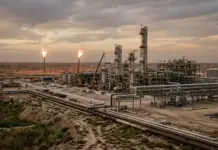



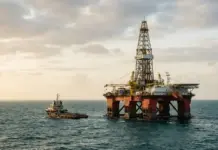
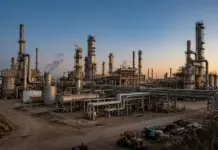
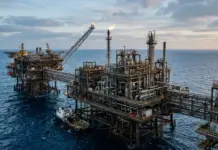
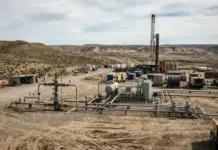
Work has commenced on laying pipelines for Romania’s Neptun Deep gas project in the Black Sea, a critical energy initiative within the European Union. This project, estimated to hold approximately 100 billion cubic meters of recoverable gas, is poised to significantly impact regional energy supplies. Upon commencing production in 2027, the Neptun Deep project is anticipated to double Romania’s existing gas output, potentially transforming the nation into a net exporter. This development arrives at a crucial juncture as the EU actively seeks to diversify its energy sources away from Russian gas.
The strategic importance of the Neptun Deep gas project extends beyond Romania’s borders, with plans to supply gas to Germany and Moldova. Several other European countries, including Slovakia, have also expressed considerable interest in securing a share of this vital resource.
This ambitious energy undertaking is a joint venture involving OMV Petrom, a company where Austria’s OMV holds a majority stake, and Romania’s state-owned entity, Romgaz. Christina Verchere, CEO of OMV Petrom, highlighted the project’s significance at a ceremony marking the official start of pipeline work. “It gives Romania a much bigger stage in the European Union, and this is what these big energy projects can do,” Verchere stated. She further emphasized, “I think it’s a reminder to us that when you have access to indigenous natural gas here in Europe, that we should develop it and make sure that we can bring it into the market.”
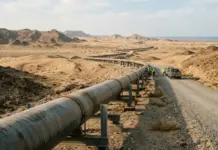
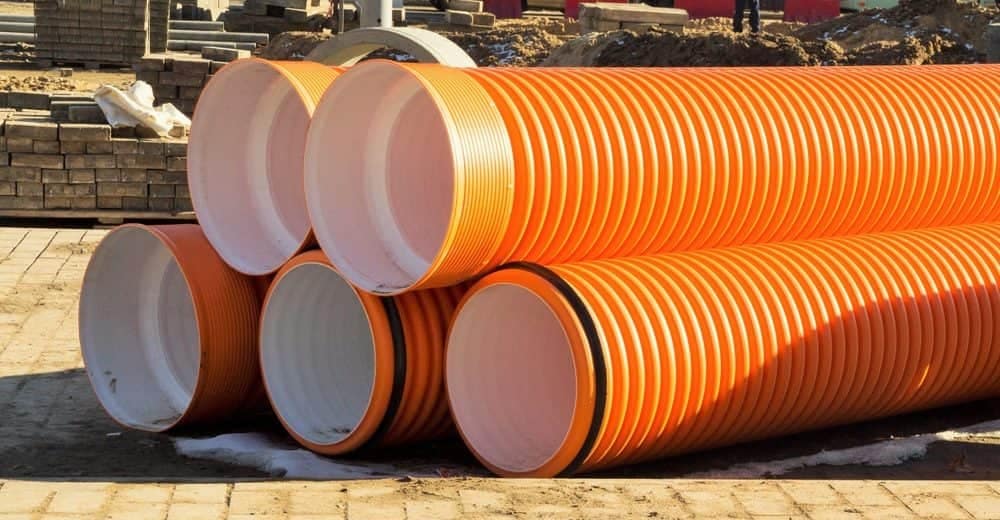
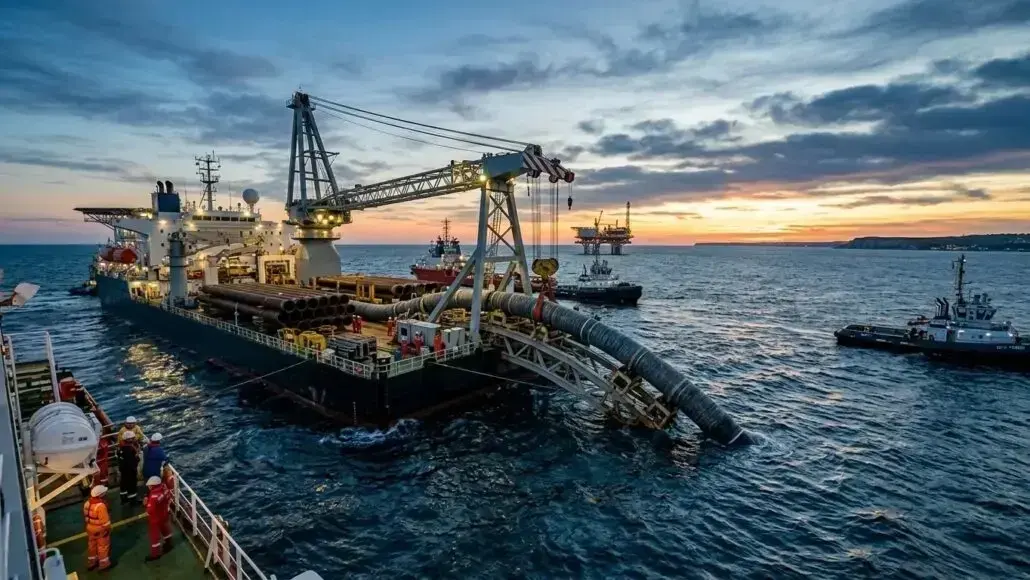
The operational phase of pipeline installation for the Neptun Deep gas project involves two specialized ships owned by Italy’s Saipem. These vessels are tasked with laying 160 kilometers (approximately 99 miles) of pipeline connecting offshore wells to the mainland. Concurrently, construction is in full swing for a gas metering plant on land. According to Cristian Hubati, a senior executive at OMV Petrom, the pipeline laying process is expected to take two months, with the gas metering plant slated for completion by summer. The two ships, identified as Castoro 10 and Castorone, are part of a larger fleet of 50 vessels that will operate in the Black Sea this year to support the construction of Neptun Deep.
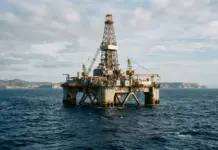
Razvan Popescu, CEO of Romgaz, confirmed the project’s adherence to schedule. “That we have begun installing (the pipeline) shows we are on schedule to delivering this project,” Popescu commented. The company is currently focused on completing the digging of six deep water wells. Fabrication of components for the production platform is underway in both Indonesia and Italy, with these parts expected to be transported to the Black Sea later in the year.
The Black Sea region, a vital corridor for international trade, including grain and energy products, is also home to numerous offshore drilling endeavors. The maritime boundaries of the Black Sea are shared by Bulgaria, Romania, Georgia, Turkey, and Ukraine, with Russia also having a presence via Crimea.
