



















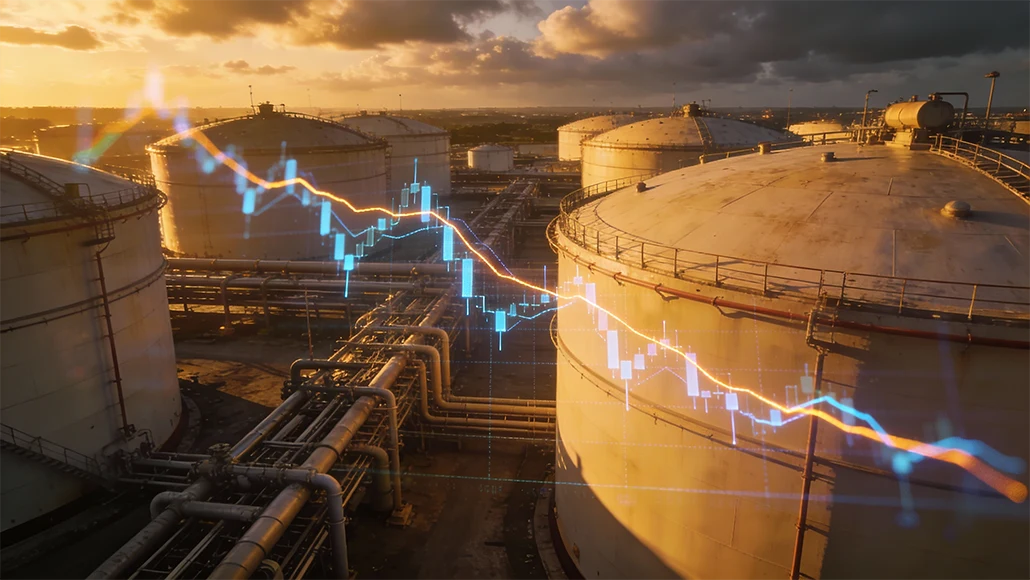
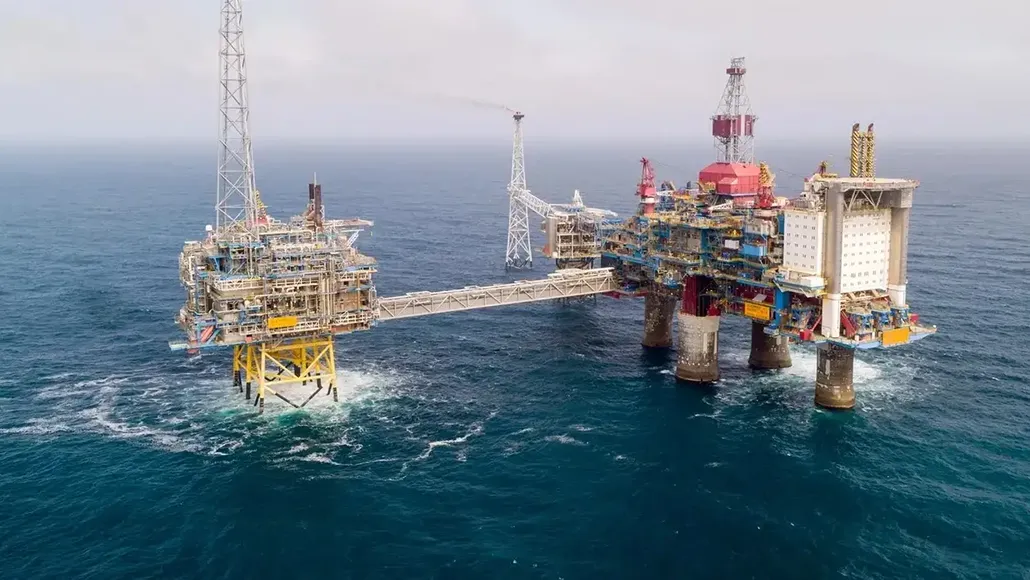
Equinor has announced two hydrocarbon finds on the Norwegian continental shelf, reporting oil in the Troll area and gas and condensate in the Sleipner area. Both are considered commercial discoveries and were identified in regions that already have established infrastructure capable of supporting exports to Europe. These new discoveries in the North Sea highlight the continued exploration success in mature offshore areas while reinforcing the role of existing infrastructure in bringing new resources into production efficiently.
One of the new discoveries in the North Sea, known as Byrding C, was located around five kilometres northwest of the Fram field in the Troll area. The discovery is estimated to hold between 4–8 million barrels of recoverable oil. In the Sleipner area, Equinor drilled the Frida Kahlo well from the Sleipner B platform. Positioned northwest of the Sleipner Vest field, the well is estimated to contain 5–9 million barrels of oil equivalent in gas and condensate resources. According to the company, production from the Frida Kahlo discovery is expected to begin as early as April, further strengthening output from the region.
Exploration activity in the extended Troll area has been extensive in recent years. Since 2018, Equinor has taken part in drilling 26 exploration wells in the wider Troll region, which also includes the Fram area. From these efforts, 19 discoveries have been recorded, resulting in a discovery rate of more than 70 percent. Commenting on the importance of such finds, Lill H. Brusdal, vice president for exploration and production in the Troll area, said: “Near-field discoveries like these are important to maintain high energy deliveries from the Norwegian continental shelf going forward. The oil discovered in Byrding C will be produced using existing or future infrastructure in the area. We are working together with our licensees to identify good area solutions,”. These new discoveries in the North Sea are therefore expected to support continued production from established fields.
In the Sleipner area, the latest exploration results have also been significant. The four most recent wells drilled there have all encountered gas and condensate, with total estimated resources of 55–140 million barrels of oil equivalent. These discoveries, made within a three-month period, include Lofn, Langemann, Sissel and Frida Kahlo. Among them, Lofn and Langemann together formed the largest Equinor-operated discovery on the Norwegian continental shelf in 2025.
Although Sleipner is considered a mature producing region where the largest volumes have already been extracted, ongoing exploration and new discoveries in the North Sea remain essential to sustaining production levels and extending the operational life of existing fields. The company noted that advanced technologies, including Ocean Bottom Node (OBN) seismic, 4D seismic and the reprocessing of existing data, have significantly improved subsurface understanding and contributed to exploration success in both the Sleipner and Troll areas.
