










Key Takeaways:
- Successful offshore asset integrity management in maturing basins necessitates a transition from reactive repairs to a proactive, risk-based inspection strategy that prioritizes the most critical components of the infrastructure. By utilizing advanced integrity engineering techniques, operators can accurately predict the degradation of structures in aging offshore fields, thereby ensuring continued offshore safety while simultaneously optimizing maintenance budgets and meeting stringent regulatory requirements.
- Effective asset lifecycle management is fundamental to the long-term viability of offshore assets, as it provides a comprehensive framework for monitoring structural health from initial design through to eventual decommissioning. The integration of digital monitoring tools allows for the real-time assessment of offshore integrity, enabling the early detection of corrosion or fatigue and providing the data necessary to make informed decisions regarding life extension and the safe operation of aging energy infrastructure.
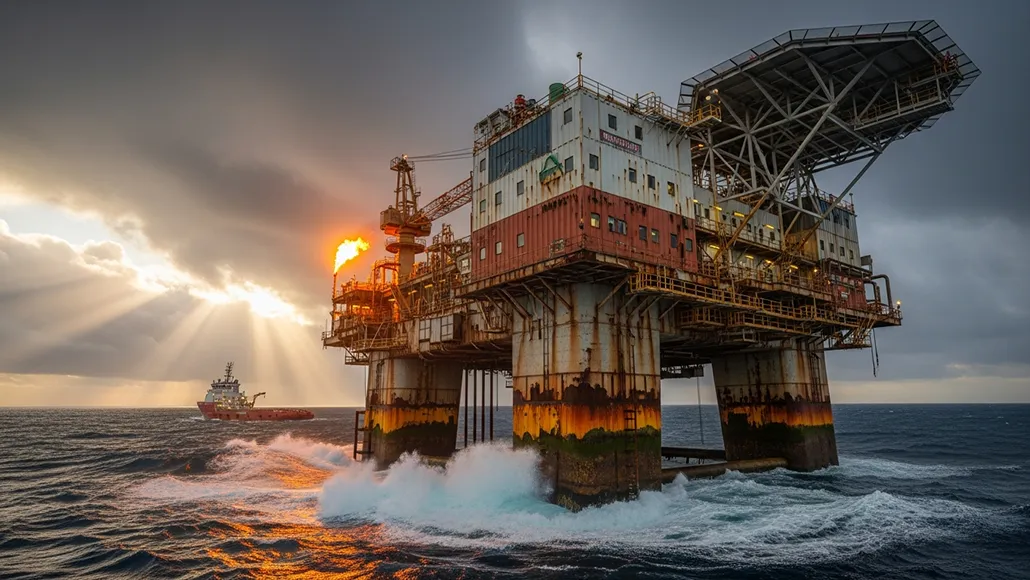
The global offshore energy industry is currently facing a significant demographic shift, as a substantial portion of its production infrastructure approaches or exceeds its original design life. Managing these mature assets requires a specialized discipline known as offshore asset integrity management, which focuses on ensuring that equipment and structures remain fit for purpose throughout their entire operational lifespan. In aging offshore fields, the challenges are magnified by decades of exposure to harsh marine environments, the cumulative effects of fatigue, and the increasing complexity of maintaining compliance with evolving safety regulations. The goal is to maximize the economic recovery from these fields without compromising the safety of personnel or the protection of the environment.
The core philosophy of modern integrity management has shifted from a “run-to-failure” or simple time-based maintenance model to a risk-based inspection (RBI) approach. This methodology uses sophisticated integrity engineering to assess the likelihood and consequences of potential failures for every component of an offshore asset. By prioritizing inspection and maintenance resources on the areas of highest risk, operators can achieve a higher level of offshore safety while also reducing the operational expenditure associated with unnecessary inspections. This strategic focus is essential for the economic viability of aging offshore fields, where declining production volumes often put pressure on maintenance budgets.
The Foundations of Integrity Engineering and Risk Assessment
Integrity engineering is the technical backbone of the management process, involving the application of structural analysis, materials science, and non-destructive testing (NDT) to evaluate the health of an asset. In aging offshore fields, the primary threats to offshore integrity are corrosion, erosion, and structural fatigue. Engineers use advanced modeling software to simulate the effects of wave loading, current, and internal pressure on platforms and pipelines, identifying areas where stresses are most concentrated. This predictive capability allows for the development of targeted inspection plans that focus on critical weld joints, splash zones, and subsea connectors.
Risk assessment in this context is a dynamic process that must be updated as new data becomes available. Every inspection report, sensor reading, and maintenance record is a vital piece of information that helps to refine the risk profile of the asset. The integration of “digital twins” virtual replicas of the physical assets allows for a more holistic view of asset integrity. By mapping the results of physical inspections onto the digital model, engineers can visualize the state of the entire facility and identify trends that might not be apparent from individual reports. This data-driven approach is fundamental to successful offshore asset integrity management, providing the transparency and accountability required by both internal stakeholders and external regulators.
The Strategic Role of Asset Lifecycle Management
Effective management begins long before an asset reaches its mature phase. Comprehensive asset lifecycle management involves incorporating integrity considerations into the initial design and construction phases. This “design-for-integrity” approach ensures that equipment is built with sufficient corrosion allowances, accessible inspection points, and high-quality materials that can withstand the rigors of the offshore environment for decades. However, for many currently aging offshore fields, the focus is on the “operate and maintain” and “late-life” phases. Here, the priority is on extending the design life of the asset through careful monitoring and targeted repairs.
Life extension studies are a critical component of asset lifecycle management for mature fields. These studies involve a comprehensive review of the asset’s historical performance, current condition, and future production potential. Engineers must prove to regulatory bodies that the structure can continue to operate safely beyond its original “use-by” date. This often requires the installation of additional monitoring sensors, the implementation of more frequent inspections, or the structural reinforcement of key components. When done correctly, life extension can add years of productive life to an offshore field, significantly increasing the total return on investment and delaying the high costs of decommissioning.
Enhancing Offshore Safety through Digital Innovation
The digital revolution is playing a transformative role in enhancing offshore safety within aging fields. Traditional inspection methods often required personnel to work in hazardous locations, such as climbing flare stacks or diving in deep water. Today, many of these tasks are being performed by remotely operated vehicles (ROVs), autonomous underwater vehicles (AUVs), and aerial drones. These robotic systems can carry high-definition cameras, ultrasonic sensors, and laser scanners to collect detailed data on the condition of the asset without putting human lives at risk. The data they collect is more consistent and accurate than manual inspections, providing a better foundation for integrity engineering assessments.
In addition to robotic inspections, the use of permanently installed sensors is becoming more common. These sensors can monitor structural vibration, acoustic emissions (which can indicate the growth of cracks), and chemical tracers that signal a leak. By providing continuous, real-time data, these systems allow for “condition-based maintenance,” where repairs are performed only when the data indicates a genuine need. This move toward real-time offshore asset integrity management reduces the frequency of intrusive inspections, which can itself be a source of risk, and ensures that potential issues are identified as soon as they emerge. The ability to monitor an aging platform’s pulse from a remote control center is a major step forward for the industry.
Addressing the Human Factor in Integrity Management
While technology is vital, the human element remains a critical component of offshore asset integrity management. The quality of an integrity program is only as good as the people who design, execute, and interpret it. This requires a culture of safety and accountability where every worker feels empowered to report a potential integrity issue. In aging offshore fields, the workforce often has deep, intuitive knowledge of the assets they operate. Capturing this “tacit knowledge” and integrating it into formal digital systems is a significant challenge but also a major opportunity for improving the effectiveness of integrity management.
Training and competency management are also essential. As inspection technologies and regulatory requirements become more complex, the skills required of integrity engineers and offshore technicians must keep pace. This involves not only technical training in NDT and structural analysis but also “soft skills” in data management and cross-functional communication. Integrity management is a collaborative effort that involves operations, maintenance, engineering, and finance departments. Ensuring that everyone speaks the same “language of risk” is vital for making the balanced decisions required to manage aging assets effectively. A well-trained and engaged workforce is the most important defense against integrity failures.
Regulatory Compliance and the Evolution of Standards
Regulatory bodies around the world are increasingly focused on the integrity of aging offshore infrastructure. In the wake of major industrial incidents, there is a growing demand for transparency and more rigorous enforcement of safety standards. Operators in aging offshore fields must maintain detailed records of their integrity management activities, demonstrating that they are following industry best practices and meeting all legal obligations. This administrative burden can be significant, but it is a necessary part of maintaining the industry’s “social license to operate.”
The standards themselves are also evolving. Organizations like ISO and API are continuously updating their guidelines for structural integrity, corrosion control, and risk-based inspection to reflect the latest technological advancements and lessons learned from the field. Staying abreast of these changes is a core task for integrity management professionals. Compliance is not just about avoiding fines; it is about ensuring that the asset is operating within its safe working limits. In many cases, the internal standards set by leading energy companies are even more stringent than the legal requirements, reflecting a deep commitment to offshore safety and operational excellence.
The Economic Reality of Maintaining Aging Assets
Ultimately, offshore asset integrity management is about balancing technical necessity with economic reality. As fields mature, the cost of maintenance tends to rise while revenue declines. This creates a difficult environment for decision-making. Operators must decide when to repair a component, when to replace it, and when the cost of maintaining integrity exceeds the value of the remaining reserves. This requires a sophisticated understanding of the “total cost of ownership” and the ability to articulate the value of integrity activities to senior management.
Strategic planning for decommissioning is also a key part of the economic equation. A well-managed integrity program can make the decommissioning process safer and more cost-effective by ensuring that the asset remains stable until the final removal activities begin. Furthermore, by maintaining high standards of offshore integrity throughout the life of the field, operators can avoid the massive “unfunded liabilities” associated with environmental remediation or emergency structural repairs. Integrity management is, in effect, a form of insurance that protects the long-term value of the energy company’s portfolio.
Conclusion: The Future of Integrity in Maturing Basins
The management of aging offshore fields will remain a central theme of the energy industry for decades to come. As we transition to a more sustainable energy system, the role of offshore asset integrity management will be more important than ever, ensuring that we maximize the utility of existing infrastructure while protecting the environment. The future of the discipline will be defined by even greater integration of digital technology, a deeper understanding of material degradation, and a continued commitment to a culture of safety.
By embracing integrity engineering and asset lifecycle management, the industry can prove that mature assets can be operated safely and profitably. This requires a proactive mindset, a willingness to innovate, and a relentless focus on the details. The lessons learned in the world’s most mature offshore basins from the North Sea to the Gulf of Mexico will provide a roadmap for the rest of the world as other fields enter their sunset years. In the end, the integrity of the asset is the foundation upon which the success of the entire offshore energy enterprise is built.
