













Key Takeaways:
- The implementation of carbon management approaches in offshore operations is essential for ensuring the long-term viability of the maritime energy sector in an increasingly carbon-constrained world. By prioritizing the integration of CCS offshore and the deployment of advanced methane leak detection systems, operators can achieve significant emissions reduction oil gas targets, transforming traditional production facilities into more efficient, low carbon operations that meet both regulatory requirements and investor expectations for environmental stewardship.
- Achieving offshore sustainability requires a holistic strategy that combines immediate operational improvements with long-term technological investments in renewable power integration and carbon sequestration. These carbon management approaches in offshore operations not only reduce the environmental impact of hydrocarbon extraction but also create new opportunities for regional energy hubs where captured carbon can be repurposed or safely stored, positioning the offshore industry as a critical player in the global transition toward a circular and net-zero energy economy.
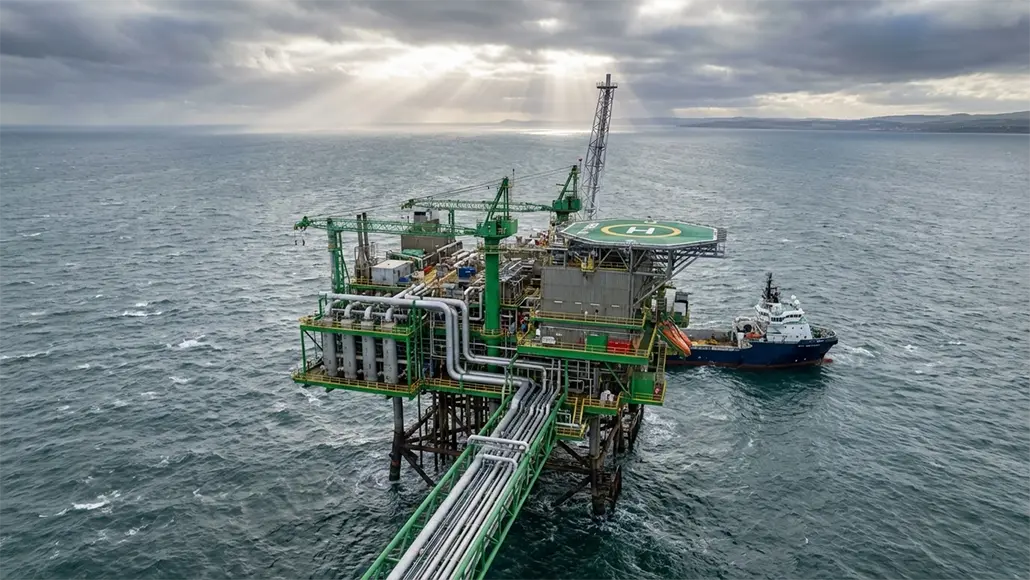
The global maritime energy industry is currently navigating a period of unprecedented scrutiny as the world accelerates its efforts to combat climate change. In this context, the adoption of comprehensive carbon management approaches in offshore operations has moved from a peripheral concern to a core strategic imperative. Operators are no longer solely focused on extraction and production; they are now tasked with managing the entire carbon lifecycle of their activities. This shift is driven by a combination of stringent regulatory frameworks, shifting investor priorities, and a genuine industry commitment to achieving net-zero targets. The goal is to decouple energy production from carbon intensity, ensuring that offshore assets can continue to provide essential resources while minimizing their environmental footprint.
The foundations of effective offshore carbon management lie in a multi-layered approach that addresses emissions at every stage of the operational cycle. This involves a transition toward low carbon operations through the implementation of high-efficiency equipment, the electrification of offshore assets, and the adoption of digital tools for real-time emissions monitoring. However, the most transformative element of this evolution is the integration of carbon capture and storage (CCS) technologies directly into the offshore infrastructure. By capturing CO2 at the source or sequestering it from other industrial processes, the offshore sector is turning its vast engineering expertise and geological knowledge into a powerful tool for global decarbonization.
Integrating CCS Offshore for Substantial Emissions Reduction
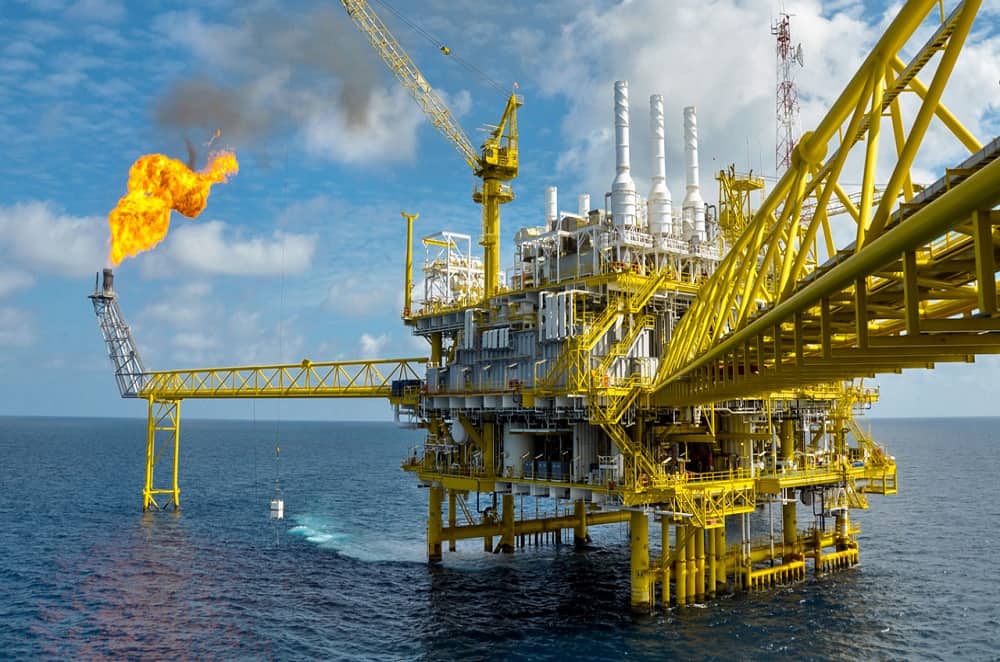
The deployment of CCS offshore represents perhaps the most significant technological frontier in the industry’s efforts toward emissions reduction oil gas. The offshore environment offers unique advantages for carbon sequestration, including access to vast depleted oil and gas reservoirs and saline aquifers that can securely store millions of tons of CO2 for centuries. Implementing CCS requires a sophisticated network of subsea pipelines, injection wells, and monitoring systems, all designed to the highest standards of technical integrity. By repurposing existing infrastructure, operators can significantly reduce the costs of these projects, making large-scale carbon management more economically viable.
Beyond simple sequestration, the concept of “carbon hubs” is gaining traction. These hubs act as centralized collection points for CO2 captured from various offshore and onshore industrial sources, which is then transported and stored in a shared offshore complex. This collaborative approach maximizes the utility of the storage sites and fosters a new economy centered around carbon management. In regions like the North Sea and the Gulf of Mexico, these CCS offshore projects are already becoming a reality, demonstrating that the technical and logistical challenges can be overcome through regional cooperation and sustained investment. The success of these initiatives is a critical benchmark for the future of sustainable offshore production.
Strategies for Achieving Low Carbon Operations
While CCS addresses the carbon that is produced, a significant portion of carbon management approaches in offshore operations is focused on preventing emissions from occurring in the first place. Achieving low carbon operations requires a fundamental re-evaluation of how offshore platforms are powered and operated. Historically, these facilities relied on on-site gas turbines, which were a major source of localized emissions. Today, the move toward “power-from-shore” and the integration of offshore wind energy are drastically reducing the carbon intensity of production. By supplying clean electricity to platforms, operators can eliminate the need for fossil fuel-based power generation, leading to immediate and measurable emissions reduction.
Furthermore, the industry is making rapid strides in the detection and mitigation of methane leaks, which have a significantly higher global warming potential than CO2. The use of satellite monitoring, aerial drones, and high-sensitivity ground sensors allows for the real-time detection of even the smallest leaks, enabling rapid repair and mitigation. This focus on “fugitive emissions” is a cornerstone of offshore sustainability, as it addresses a critical source of climate-forcing gases that were previously difficult to track and control. Combined with the use of digital twins to optimize energy consumption on-site, these strategies are turning traditional production assets into highly efficient, low-carbon nodes in the global energy network.
Corporate Responsibility and the Drive for Offshore Sustainability
The push for carbon management is not only a technical challenge but also a reflection of a deeper shift in corporate responsibility within the energy sector. Offshore sustainability is now a key performance indicator (KPI) that influences everything from access to capital to the ability to attract top talent. Leading energy companies are increasingly transparent about their carbon performance, publishing detailed ESG (Environmental, Social, and Governance) reports and setting ambitious, science-based targets for decarbonization. This transparency fosters a culture of accountability and drives a cycle of continuous improvement as companies compete to lead the transition to a low-carbon future.
Investor pressure is a powerful catalyst for this change. Institutional investors are progressively aligning their portfolios with the goals of the Paris Agreement, making it essential for offshore operators to demonstrate a clear and actionable path toward carbon neutrality. Those who fail to adopt robust carbon management approaches in offshore operations risk becoming “stranded” in a world that increasingly values carbon efficiency over volume. Consequently, the transition to sustainable offshore production is seen as a way to de-risk investments and ensure the long-term resilience of the business in a volatile global market.
The Role of Policy and Regulation in Carbon Management
Government policy and international regulations are the primary architects of the carbon management landscape. Carbon pricing mechanisms, such as taxes or cap-and-trade systems, provide the necessary economic signals for companies to invest in expensive decarbonization technologies like CCS offshore. By making it more costly to emit carbon, these policies create a business case for emissions reduction oil gas that might otherwise struggle to compete with traditional production methods. Additionally, regulatory standards for methane intensity and flaring are becoming more stringent, forcing operators to adopt the latest monitoring and mitigation technologies.
International cooperation is also vital, as the atmosphere does not recognize national borders. Organizations like the International Maritime Organization (IMO) and various UN-backed initiatives are working to harmonize standards for carbon management and facilitate the exchange of best practices. This global alignment is essential for creating a level playing field and ensuring that the offshore energy sector contributes its fair share to global climate goals. For operators, staying ahead of this evolving regulatory curve is a critical component of strategic planning, requiring a proactive and forward-looking approach to carbon management.
Technological Innovation and the Future of Carbon Sequestration
The future of carbon management will be defined by continuous technological innovation. Beyond traditional CCS, researchers are exploring “carbon mineralization,” where CO2 is chemically reacted with certain rock formations to turn it into solid minerals, providing an even more permanent storage solution. There is also growing interest in “blue hydrogen” production, where natural gas is converted into hydrogen and the resulting CO2 is immediately captured and stored offshore. This allows the industry to leverage its existing assets and expertise to produce a zero-emission fuel that can power the next generation of industry and transport.
The digital revolution is also playing a key role, with AI and big data analytics being used to optimize the injection and monitoring of CO2 in offshore reservoirs. These technologies allow for more precise control over the carbon storage process, ensuring that the CO2 remains securely sequestered and providing the transparency required for regulatory compliance. As these technologies mature and costs continue to fall, the scale of carbon management approaches in offshore operations will expand, turning the offshore industry into a global leader in climate mitigation. The platforms of the future will be more than just extraction sites; they will be integrated carbon management facilities.
Conclusion: Leading the Transition to a Low-Carbon Future
The adoption of comprehensive carbon management approaches in offshore operations represents a turning point for the maritime energy industry. By integrating CCS offshore, prioritizing emissions reduction oil gas, and embracing the principles of offshore sustainability, the sector is proving that it can be a part of the solution to climate change. This journey is marked by significant technical, economic, and cultural challenges, but the potential rewards in terms of environmental preservation, economic resilience, and societal trust are immense.
As the industry continues to evolve, the focus must remain on innovation, transparency, and a steadfast commitment to decarbonization. The strategies developed today will define the offshore energy landscape for decades to come, ensuring that the transition to a net-zero future is both secure and sustainable. The offshore industry has always been a pioneer in engineering and technology; now, it has the opportunity to lead the world into a new era of carbon responsibility. Through collaboration and a forward-looking perspective, the goal of sustainable offshore production is within reach, providing a cleaner and more secure energy future for all.
