














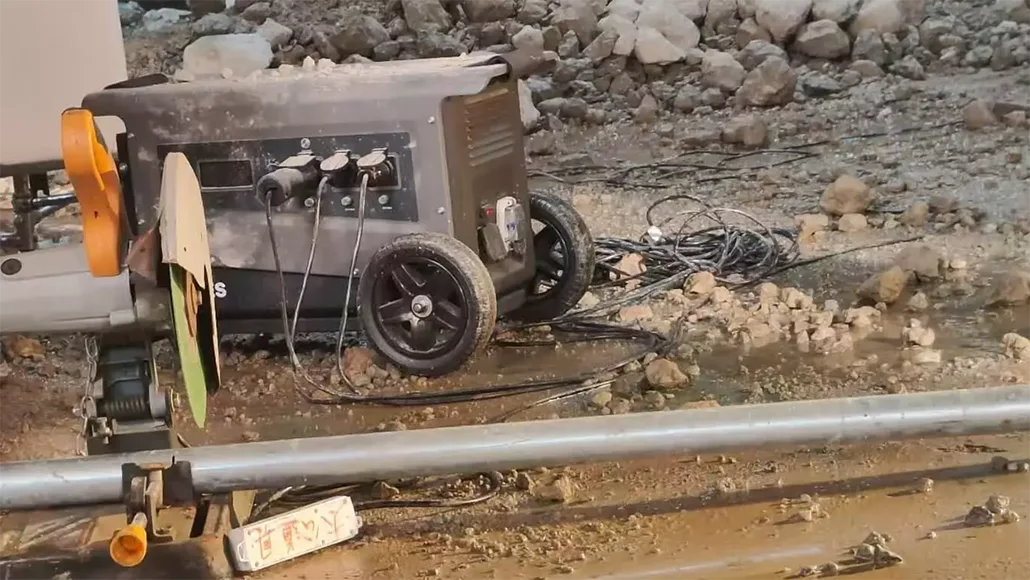
The industrial and energy locations work under one of the harshest environments in the world. In remote areas of construction and mining, as well as the renewable power projects, and in emergency response centers, access to consistent power is essential. In this case, traditional grid connections, and fixed generators are in practice often not possible or too expensive. Portable power stations in industrial and energy locations have become a disruptive solution in such circumstances.
This paper examines their significance, characteristics, their use, and the use of the power source in the industrial sector in the future.
Portable Power Stations: What They Are and How They Work.
What are Portable Power Stations?
Portable power stations (also called portable energy sources) are self-sufficient energy sources that store electricity and provide it on demand. Most new portable power stations have advanced battery technology, like lithium-ion or lithium iron phosphate (LiFePO4) unlike traditional fuel-powered generators.
They are also able to supply power to tools, machinery, control systems, communication equipment and temporary facilities.
The reason why Industrial and Energy Sites require Portable Power Solutions.
Off-grid and Remote Operations.
Numerous industrial and energy facilities are remote to existent power structure. Portable power stations do not need long lines of transmission or expensive extensions to the grid, and they have immediate access to power.
Operational Flexibility
Industrial projects usually move or develop with time. The portable power stations are easy to move around and redeploy as required to meet flexible task forces.
Emergency Backup Power
Unforeseen plant failures will result in loss of production and hazards. Portable power stations provide booming backup power, keeping important systems operational during grid failures.
Environmental Compliance
Renewable projects and other energy sites need to have clean and low-emission sources of power. Industrial Power Stations that use batteries generate zero emissions on site and very low levels of noise and this assists companies comply with environmental laws.
The most important characteristics of Portable Power Stations as an industrial one.
Great Power Production and Capacity.
Portable power stations that are typically used in industry are constructed to provide high wattage and high energy storage capacities. This will enable them to serve heavy-duty equipment, lighting systems and working tools at the same time.
Rugged and Durable Design
The conditions in industries are challenging. Such power stations have strong casings, weather resistant enclosures, and shock absorbers, which guarantee a high degree of reliability in the extreme temperature, dust and moisture.
Multiple Output Options
In order to power various tools, portable power stations frequently have several output ports, such as AC and DC ports along with a few or more high-voltage connection ports to drive specialized tools.
Quick Charging and Flexibility in Energy inputs.
More recent systems can be charged quickly using grid power, generators or renewable energies such as solar panels. Such flexibility will guarantee that there is little downtime and round-the-clock power supply.
Advanced Safety Systems
To be safe on site, industrial portable power stations have embedded battery management systems (BMS) to prevent overcharging, overheating, short circuits, and overloads.
Portable Power Stations in Industrial and Energy Sites.
Infrastructure and Construction Projects.
Construction sites have to use power both to power their tools and light and for their temporary offices. Portable power stations are clean and quiet compared to diesel generators, particularly in the city or sensitive noise locations.
Mining and Resources Extraction.
The mines are usually located where people are remote. Portable power stations serve monitoring instruments, communication systems, and temporary operation systems, without the need to have a permanent power infrastructure.
Renewable Energy Projects
The portable power stations are used in wind farms, solar parks, and hydro projects when installing, testing, and maintaining them. They are also used as back-ups in case of grid instability.
Oil and Gas Sites
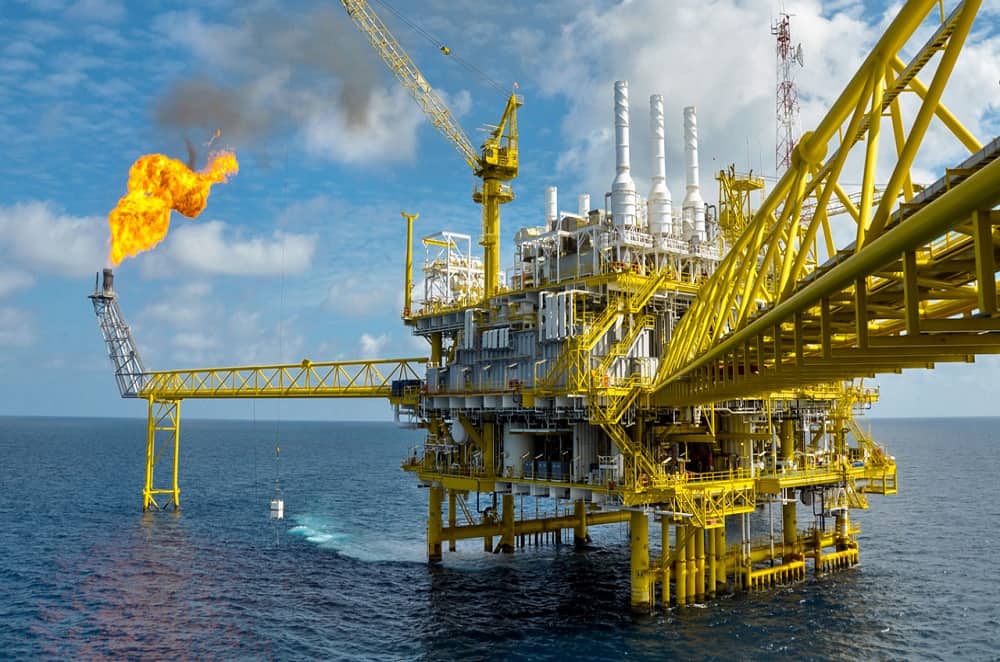
Portable power stations are being applied more to energise sensors, control panels, and inspection equipment in oil and gas processes to cut back on the use of generators using fuels.
Response and Maintenance to Emergencies.
With the outages, natural disasters or equipment breakdown, portable power stations will keep the necessary systems and maintenance crews energized.
The Benefits of Traditional Generators.
Operation Cleaner and Quieter.
Portable power stations (when powered by batteries) are silent operation and do not emit exhaust gases, which enhances the comfort and safety of workers compared to generators powered by diesel or gasoline.
Lower Operating Costs
Portable power stations have only a little maintenance, do not store fuel and need fewer moving components which translate to a lower long term operating cost.
Instant Power Availability
These systems give instant power when a button is pressed and there is no warm-up period as in the case of emergency and on demand use.
Combination with Renewable Energy.
Portable Power Station 5000w can be fitted to solar or wind systems with ease and thus one can have hybrid power solutions that will help in mitigating the usage of fuel and also carbon footprints.
The correct selection of a portable power station in case of industrial or energy locations.
Assess Power Requirements
Select a power station that has enough output and energy capacity to operate peak loads.
Assess Environmental factors.
Regarding the range of operating temperatures, dust or moisture exposure, and transportation needs, one should choose the unit with the right durability.
Check Scalability Options
Other portable power stations can be expanded modularly, which means that more battery units can be attached as the power needs increase.
Examine Safety and Compliance Standards.
Make sure the system is in line with the industrial safety standards and certifications in your industry and region.
The Portable Power Stations and their role in Energy Transition.
With the shift of industries towards green and much cleaner processes, portable power stations will have a significant role in the energy transition around the globe.
Portable power stations will serve as a buffer of energy in the energy site, which is oriented on solar, wind systems, or a hybrid of both. Excess power is stored in a portable power station and discharged when required. This enhances general system efficiency and strength.
Future projections of the industrial portable power stations.
The future of portable power stations industrial and energy sites is very promising due to the fast development of battery technology and digital monitoring.
Key trends include:
- Increased power density batteries with increased run times.
- Real-time monitored smart energy management systems.
- AI-driven load optimization
- Scalable and completely modular architecture.
- Increased harmonization with renewable energy sources.
The innovations will enhance the role of the portable power stations in the industrial and energy operations.
Conclusion:
Mobile electric generators to industrial and energy facilities have become a part of the modern business. They provide efficient, convenient and eco-friendly power options to some of the most demanding workplaces.
Portable power stations are beneficial to industries by replacing or complementing the traditional generators to reduce the cost, enhance safety and contribute towards sustainable energy objectives. With the ever-growing advancement in technology, the systems will have an even stronger role to play in driving industrial growth- any time, any where.
