












Oil prices fell sharply as hopes for de-escalation in the Middle East eased fears of supply disruptions following earlier geopolitical tensions.
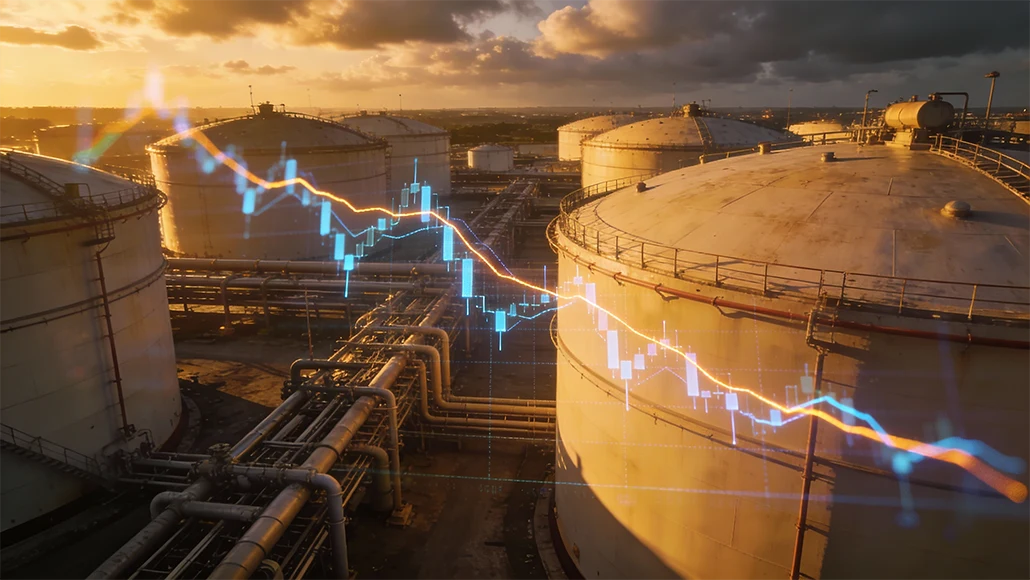
Oil prices fell 7% on 10th March 2026 after rallying more than three-year high in the previous session after U.S. President Donald Trump’s prediction that the tension in the Middle East could end soon, easing concerns about prolonged disruptions to oil supplies.
Brent futures fell $6.79, or 6.9%, to $92.17 a barrel at 0840 GMT, while U.S. West Texas Intermediate (WTI) crude was down $6.55, or 6.9%, to $88.22 a barrel.
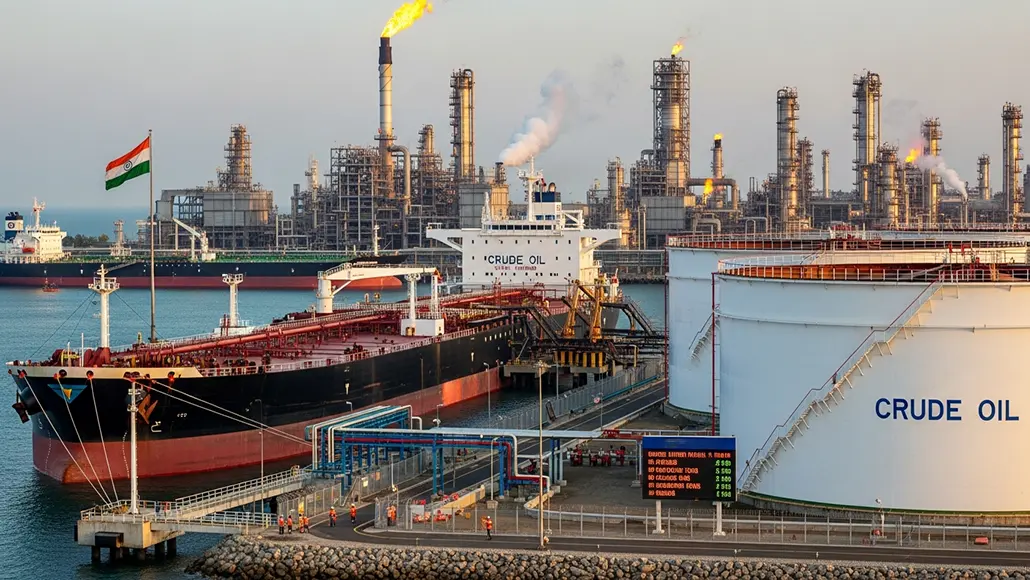
This follows the phenomenal surge in oil prices, past $100 a barrel on 9th March 2026, the highest since mid-2022, as supply cuts by Saudi Arabia and other oil producers during the expanding U.S.-Israeli war on Iran stoked fears of major disruptions to global supplies.
Furthermore, Iran named Ayatollah Mojtaba Khamenei as the new Supreme Leader, further spreading fears of the clash lasting long.
Prices later retreated after Russian President Vladimir Putin held a call with Trump and shared proposals aimed at achieving a quick settlement to the conflict. The communication helped reduce market anxiety about the potential impact of prolonged fighting on oil supply routes. In a CBS News interview on Monday, Trump said he believed the war against Iran was “very complete” and that Washington was “very far ahead” of his initial four- to five-week estimated time frame. Those comments strengthened expectations of de-escalation in the Middle East, which in turn eased concerns about sustained disruptions to global crude flows.
At the same time, Trump is considering additional measures designed to stabilize energy markets amid volatile prices. According to multiple sources, the U.S. administration is evaluating options that include easing oil sanctions on Russia and releasing emergency crude stockpiles. Such measures form part of a broader set of strategies aimed at curbing spikes in global oil prices.
Meanwhile, G7 nations indicated on Monday that they were prepared to implement “necessary measures” in response to the surge in global oil prices, although they stopped short of committing to the release of emergency reserves. These developments further reinforced market expectations that diplomatic and policy steps could encourage de-escalation in the Middle East and help stabilize global energy markets.
