









The eight OPEC+ members, namely Saudi Arabia, Russia, Iraq, UAE, Kuwait, Kazakhstan, Algeria, and Oman, convened virtually on 5th April 2026 to assess global oil market conditions and the near-term outlook. These countries, which had earlier introduced additional voluntary adjustments in April and November 2023, used the meeting to reaffirm their coordinated approach toward maintaining balance in the market while signalling a measured oil production boost.
As part of their ongoing strategy, the group agreed to implement a production adjustment of 206 thousand barrels per day from the 1.65 million barrels per day additional voluntary adjustments announced in April 2023. This oil production boost will take effect in May 2026, with scope for the 1.65 million barrels per day to be restored either partially or fully depending on how market conditions evolve. The countries emphasized that any oil production boost would be handled gradually and with flexibility, allowing them to increase, pause, or reverse the phase-out if necessary. They also reiterated that this framework includes the option of reversing the previously implemented voluntary adjustments of the 2.2 million barrels per day announced in November 2023. Throughout the process, the group underscored its intention to closely monitor market trends and maintain a cautious stance.
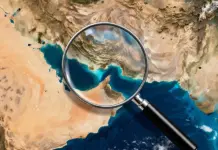
The participating countries further indicated that the adjustment would support efforts to accelerate compensation for past overproduction. They reiterated their commitment to full compliance with the Declaration of Cooperation (DoC), including adherence to the additional voluntary production adjustments overseen by the Joint Ministerial Monitoring Committee (JMMC). In line with this, they confirmed their plan to fully compensate for any overproduced volume since January 2024. Additionally, they echoed the JMMC’s statement from its 65th meeting, stressing the importance of protecting international maritime routes to ensure uninterrupted energy flows.
Concerns were also raised about attacks on energy infrastructure, with the group noting that restoring damaged facilities is both time-consuming and costly, ultimately affecting supply availability. The countries warned that disruptions to infrastructure or maritime routes heighten market volatility and undermine collective stability efforts. They acknowledged the role of DoC countries that have ensured continued supply availability, particularly through alternative export routes, which have helped reduce volatility. Looking ahead, the eight OPEC+ countries will continue holding monthly meetings to review market conditions, conformity, and compensation, with the next session scheduled for 3rd May 2026.
