
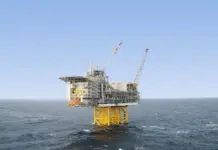









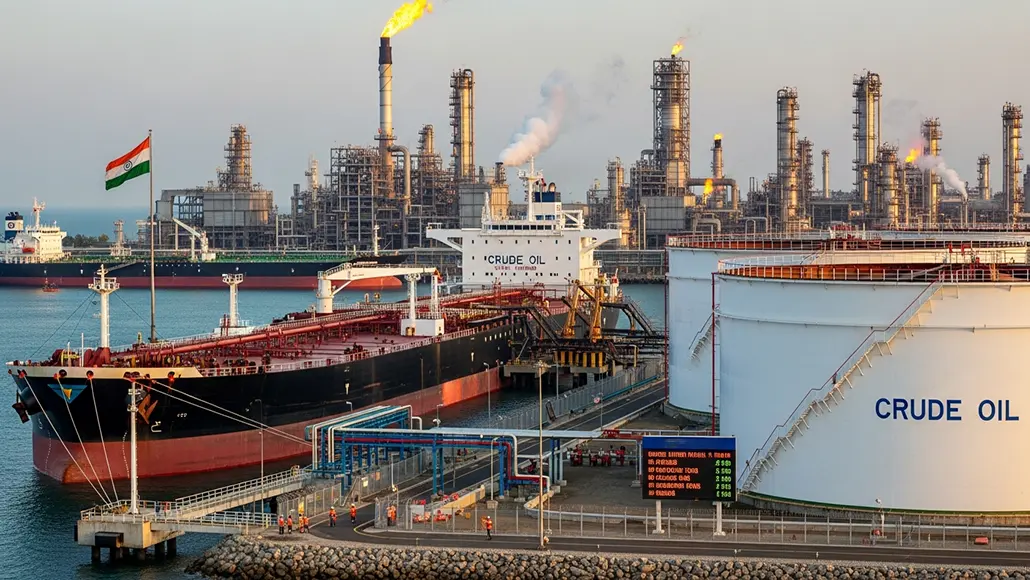
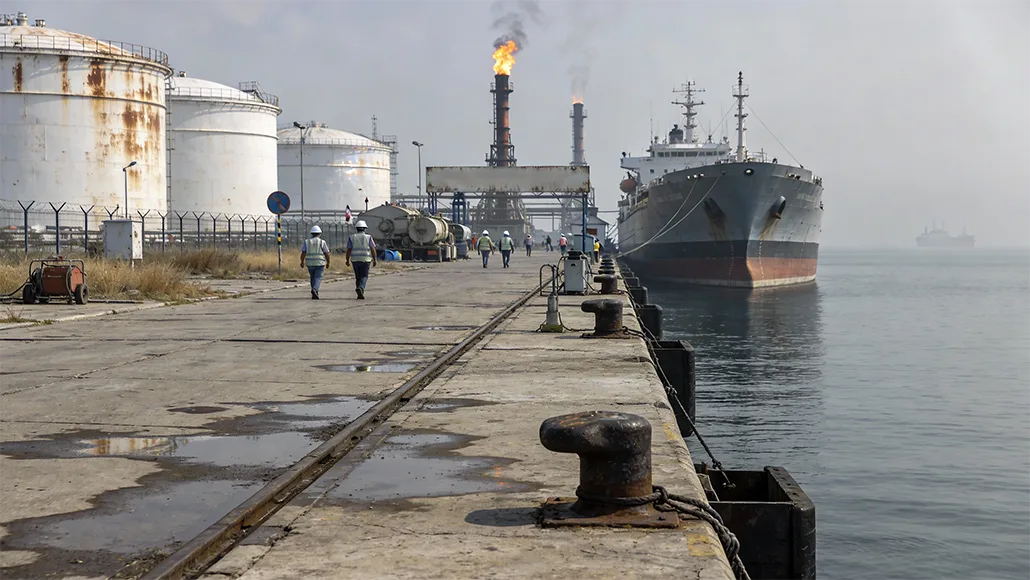
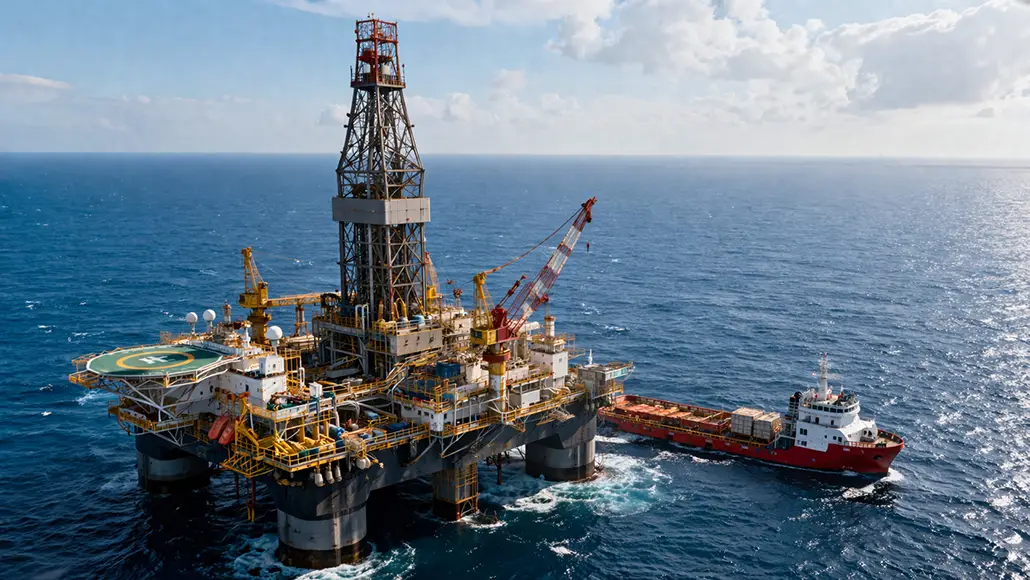
The global energy landscape is perpetually in flux, a complex tapestry woven with threads of technological innovation, geopolitical shifts, environmental imperatives, and unwavering demand. For a period, conventional wisdom suggested a steady decline for offshore drilling, particularly in the challenging and capital-intensive realm of deepwater projects. However, a nuanced and compelling narrative has emerged, signaling a distinct offshore drilling revival. In the opinion of Oil & Gas Advancement, this resurgence isn’t merely a fleeting response to short-term market fluctuations. It represents a strategic pivot by major energy players, driven by a confluence of factors that have fundamentally reshaped offshore economics and re-evaluated the critical role of these vast offshore reserves in securing the world’s energy future.
Reconsidering the Depths: The Shifting Tides of Offshore Economics
The narrative surrounding deepwater exploration had, for some time, been overshadowed by concerns over high costs, environmental risks, and the perceived inevitability of a rapid transition away from fossil fuels. Yet, as global energy demand continues to climb, exacerbated by industrial growth and population expansion, the need for reliable, scalable energy sources remains paramount. The recent volatility in global energy markets, highlighted by geopolitical tensions and supply chain disruptions, has unequivocally underscored the strategic importance of diverse energy portfolios. This environment has served as a powerful catalyst, prompting a thorough re-evaluation of offshore economics.
Initially, the sheer scale of investment and the extended timelines associated with deepwater development made these ventures appear less attractive than quicker, often less capital-intensive onshore alternatives. However, the industry has learned valuable lessons. Rigorous cost-cutting measures, supply chain optimizations, and a relentless pursuit of efficiency have significantly reduced the break-even points for many deepwater projects. What was once considered a prohibitive frontier is now being approached with renewed financial prudence and technological sophistication. This recalibration is not just about higher oil prices making projects profitable; it’s about a structural improvement in how these massive undertakings are planned, executed, and managed, leading to better returns on oil and gas investment even at moderate commodity prices.
The Unseen Advantage: Technological Prowess and Deeper Horizons
A critical enabler of this offshore drilling revival is the breathtaking pace of technological advancement. The industry has continually pushed the boundaries of what is technically feasible and economically viable in some of the planet’s most extreme environments. Innovations span the entire upstream energy value chain, from initial offshore oilexploration to extraction and transport.
Advancements in Seismic Imaging and Reservoir Characterization
Consider the evolution of seismic imaging. What was once a blurry snapshot of the subsurface is now a high-definition, three-dimensional, and even four-dimensional view of complex geological structures. Full-waveform inversion (FWI) and other advanced processing techniques allow geophysicists to map reservoirs with unprecedented accuracy, reducing drilling uncertainty and optimizing well placement. This precision translates directly into higher success rates and greater resource recovery, profoundly impacting deepwater projects where every well costs tens of millions, if not hundreds of millions, of dollars. Better understanding of the subsurface means less dry holes and more productive wells, fundamentally improving the project’s economic viability.
Engineering Marvels in Drilling and Subsea Infrastructure
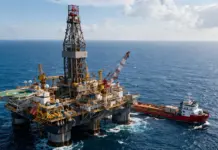
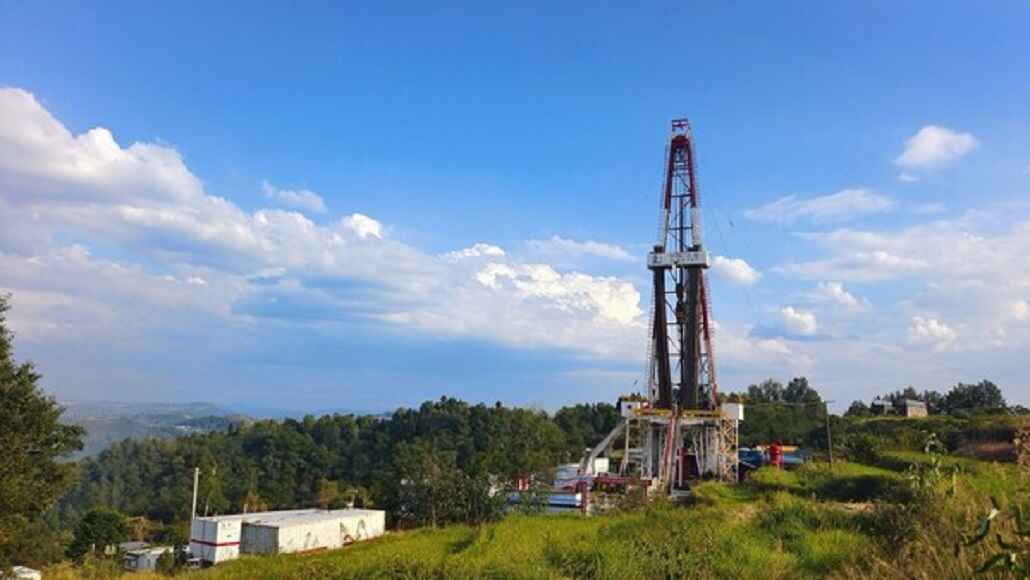
Beyond imaging, drilling technology itself has undergone a revolution. Ultra-deepwater rigs are now capable of operating in water depths exceeding 10,000 feet, reaching total depths of over 40,000 feet below the seabed. These aren’t just bigger machines; they incorporate advanced automation, real-time data analytics, and enhanced safety systems that improve operational efficiency and mitigate risks. Furthermore, subsea production systems have become increasingly sophisticated and reliable. Instead of requiring costly surface platforms for every well, clusters of wells can be tied back to existing infrastructure or floating production storage and offloading (FPSO) units through extensive networks of risers and flowlines, drastically reducing infrastructure costs and environmental footprint. This distributed architecture is key to making challenging deepwater development projects feasible.
Geographic Hotspots and the Hunt for New Offshore Reserves
The offshore drilling revival is not uniform across the globe but is rather concentrated in regions offering significant potential for new offshore reserves and favorable regulatory environments. The Gulf of Mexico, a traditional stronghold, continues to see robust activity, with major lease sales and new project sanctions. Brazil, with its prolific pre-salt discoveries, remains a powerhouse in deepwater projects, attracting substantial oil and gas investment from international majors looking to expand their portfolios in proven basins.
Beyond these established giants, emerging frontiers are also capturing significant attention. The Guyana-Suriname basin, for instance, has become one of the world’s hottest offshore oil exploration plays, with multiple super-giant discoveries transforming the economic outlook of these nations. Similarly, parts of West Africa, notably Angola and Namibia, are experiencing renewed interest, leveraging existing infrastructure and tapping into new, prospective areas. The Mediterranean and parts of Asia are also seeing targeted deepwater development efforts, driven by both energy security imperatives and the allure of significant, undeveloped hydrocarbon potential. These geographic hotspots underscore a strategic intent to secure long-term supply, capitalizing on improved offshore economics and technological capabilities.
Major Players and Strategic Investments: Anchoring the Upstream Energy Future
The commitment of major international oil companies (IOCs) and national oil companies (NOCs) is central to this offshore drilling revival. Despite mounting pressure to transition towards cleaner energy sources, these companies recognize the enduring necessity of hydrocarbons to meet global energy needs for decades to come. Their investment strategies are becoming more discerning, focusing on high-return, lower-carbon-intensity deepwater projects that can leverage existing infrastructure and expertise.
Companies like ExxonMobil, Shell, Chevron, and TotalEnergies are allocating significant portions of their oil and gas investment capital towards upstream energy developments in deepwater. They are doing so not out of a denial of climate change, but from a pragmatic understanding of global energy realities. These deepwater projects often boast lower carbon intensity per barrel compared to some onshore operations, due to efficiencies of scale, advanced equipment, and stricter operational standards. Furthermore, the long production lifetimes of deepwater fields make them attractive for securing energy supplies over multiple decades, providing stability in volatile markets. This strategic long-term view underscores the confidence in the future of these assets, even amidst the broader energy transition.
The Balancing Act: Revival Amidst Energy Transition
It is imperative to contextualize this offshore drilling revival within the broader global energy transition. The world is unequivocally moving towards a lower-carbon future, with renewable energy sources playing an increasingly dominant role. However, this transition is complex, lengthy, and uneven. Renewables, while growing rapidly, cannot yet independently meet the entirety of global energy demand, especially for base-load power, industrial processes, and transportation sectors.
Hydrocarbons, therefore, will continue to be a vital component of the energy mix for the foreseeable future. The offshore drilling revival is, in many ways, an acknowledgment of this reality. Rather than signaling a retreat from climate commitments, it reflects a dual strategy: investing heavily in renewable energy and decarbonization technologies, while simultaneously ensuring a stable, efficient, and responsibly produced supply of conventional fuels to bridge the transition. For many nations, securing domestic offshore reserves is also a matter of national energy security and economic stability, reducing reliance on politically sensitive imports. The focus is increasingly on “advantaged barrels”, those extracted with the lowest possible emissions and highest efficiency, a category into which many modern deepwater projects now fall.
Environmental Stewardship and Future-Proofing Deepwater Development
While the economic rationale for deepwater development is strong, the environmental considerations are equally significant. The industry has made substantial strides in environmental stewardship, driven by lessons learned from past incidents and increasingly stringent regulatory frameworks. Modern deepwater projects incorporate advanced spill prevention technologies, real-time environmental monitoring, and robust emergency response plans. The goal is not just to extract hydrocarbons efficiently but to do so with minimal impact on marine ecosystems. Furthermore, research into integrating carbon capture and storage technologies, and exploring opportunities for electrifying offshore platforms to reduce operational emissions, signifies a proactive approach to future-proofing these upstream energy assets within a decarbonizing world.
In conclusion, Oil & Gas Advancement recognises the offshore drilling revival as a multi-faceted phenomenon, deeply rooted in evolving offshore economics, propelled by advanced technology, and validated by strategic oil and gas investment in deepwater projects. It represents a pragmatic response to persistent global energy demand and the critical need for energy security, all while navigating the complexities of the energy transition. The deep sea, once viewed with dwindling commercial prospects, is re-emerging as a vital frontier for securing the reliable energy supplies essential for powering the modern world. This strategic shift underscores a renewed confidence in the sector’s ability to deliver essential resources responsibly, positioning deepwater projects as indispensable contributors to the global energy mosaic for decades to come.
