






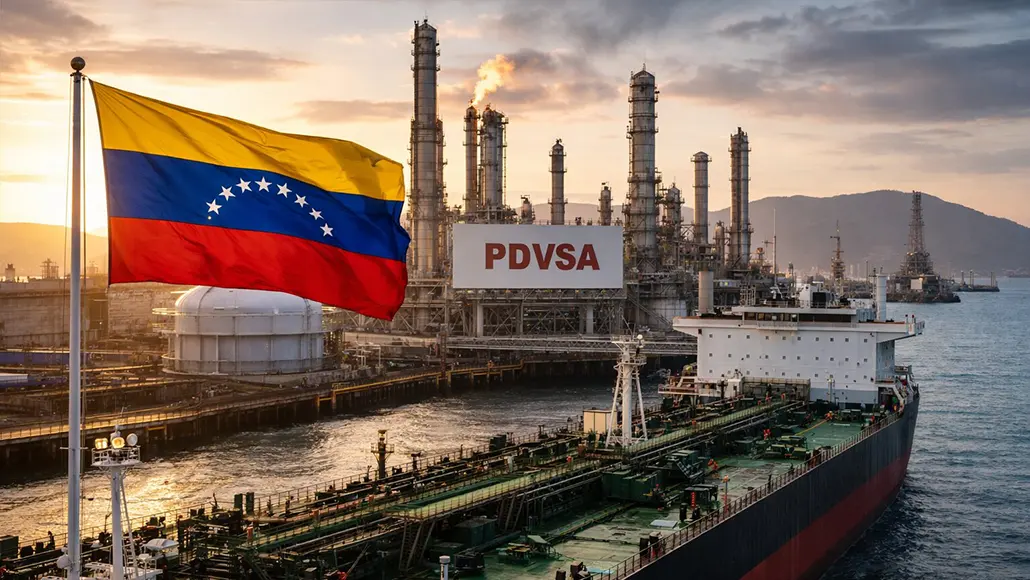
The U.S. government has moved to relax Venezuela oil sanctions, allowing American firms to re-engage with Venezuela’s state-owned oil and gas company under defined conditions. Announced Wednesday by the Treasury Department, the decision introduces a broad authorization enabling Petróleos de Venezuela S.A. (PDVSA) to resume direct crude sales to U.S. buyers and access global markets. The shift marks a notable reversal after years of restrictions that largely isolated Venezuela’s energy sector. The policy adjustment comes as the Trump administration seeks to increase global supply amid the Iran war, where disruptions have driven oil prices sharply higher. The White House also confirmed that President Donald Trump will waive Jones Act requirements for 60 days, temporarily easing rules that mandate U.S.-flagged vessels for domestic shipping.
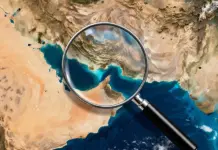
The policy changes underscore mounting pressure tied to Venezuela oil sanctions as Washington responds to surging fuel costs. Oil markets have been rattled since Iran halted traffic through the Strait of Hormuz, a critical chokepoint for global supply. In the U.S., gasoline prices have climbed significantly, with the national average for regular fuel reaching $3.84 per gallon on 18th March 2026, compared to $2.98 before the war began on 28th February 2026. Following the January 2026 ouster and arrest of Nicolás Maduro during a U.S. military operation, Trump stated that the U.S. would effectively “run” Venezuela and manage its oil exports. The newly issued license provides limited relief, permitting companies that existed before 29th January 2025 to engage in transactions otherwise restricted under sanctions.
Officials say the measures tied to Venezuela oil sanctions are designed to stabilize markets in the short term. White House press secretary Karoline Leavitt said the Jones Act waiver would help “mitigate the short-term disruptions to the oil market” during the Iran war and would “allow vital resources like oil, natural gas, fertilizer and coal to flow freely to U.S. ports.” The administration has also tapped the strategic petroleum reserve and temporarily eased sanctions on certain Russian oil shipments for 30 days. Meanwhile, Vice President Vance and other officials are expected to meet with the American Petroleum Institute to discuss production and market conditions.
Despite the easing of Venezuela oil sanctions, strict controls remain in place. Payments for Venezuelan oil cannot go directly to PDVSA but must be routed through a U.S.-controlled account, ensuring oversight of financial flows. Transactions involving Russia, Iran, North Korea, Cuba and some Chinese entities are prohibited, as are dealings in Venezuelan debt or bonds. The license also bans payments in gold or cryptocurrency, including the petro.
While Venezuela holds the world’s largest oil reserves, years of corruption, mismanagement and prior sanctions reduced output from 3.5 million barrels per day in 1999 to under 400,000 barrels per day in 2020, highlighting the long-term impact of restrictions now partially eased.
